
A senior U.S. official’s quiet outreach about carving up Guyana’s oil-rich Essequibo collided with firm vows that America still backs Guyana’s lawful border — and left allies demanding clarity.
Story Highlights
- Reuters reported a U.S. official explored Essequibo “concessions” in talks with Guyana and Venezuela.
- Washington reiterated support for Guyana’s border set by the 1899 arbitral award and current legal process.
- Guyana’s president said no territory will be surrendered; sovereignty is non-negotiable.
- The border case remains before the International Court of Justice, with rulings on process issued in recent years.
What Sparked Concern: A Reported Concession Pitch
Reuters reported that a senior policy official discussed the idea of Guyana making territorial concessions to Venezuela during recent diplomatic contacts. The official, identified as Jeremy Lewin, described the contacts as preliminary and confidential. The outreach reportedly shocked Guyanese counterparts, who objected to any notion of ceding land. The report triggered rapid reassurances from Washington that United States policy had not changed from backing Guyana’s established border and the legal path to settle the dispute.
U.S. messaging since the report stressed recognition of the 1899 arbitral award that set Guyana’s boundary and support for a lawful process. Coverage summarized that stance as a reaffirmation that the border stands unless changed by legal means or mutual consent. That language left room for critics to question whether subtle pressure could follow. Still, the core line from Washington held: the United States supports Guyana’s current border and the ongoing international court track.
Guyana’s Red Line: No Land, No Talks Outside the Court
Guyana’s leaders responded with clear, public lines. President Mohamed Irfaan Ali stated that no part of Essequibo would be surrendered and that sovereignty and territorial integrity are not negotiable. Guyana’s Foreign Ministry underscored its commitment to the International Court of Justice as the forum to resolve the controversy. Officials rejected any push for bilateral land-for-peace talks that could undermine the court’s process or reward bullying from Caracas.
Local and regional reporting added that Georgetown would not accept “partial control” formulas or shared administration of Essequibo. The government framed the issue as settled by international law and currently under adjudication, not a trading chip in side-room diplomacy. That mirrors a long-running Guyanese position that the path forward is legal, peaceful, and final through the court, not political carve-outs under pressure.
The Legal Backbone: The 1899 Award and Today’s ICJ Case
The 1899 arbitral award fixed the Guyana-Venezuela boundary. Venezuela began to contest the award decades later, but Guyana has held that the award remains valid. The International Court of Justice has accepted jurisdiction over key questions in the case and issued procedural rulings, including a 2023 judgment addressing preliminary matters. The court process continues to provide the recognized venue for a binding, peaceful outcome under law.
For Americans, the legal track matters for two reasons. First, it protects a small ally from coercion by a hostile regime in Caracas. Second, it guards global energy flows tied to Guyana’s rapid oil development. Settling borders by law, not force, supports stability and helps prevent price shocks that hit family budgets. Backing clear rules also sends a message to other aggressors watching how the United States treats sovereignty and contracts.
Why Conservatives Should Care: Sovereignty, Oil, and U.S. Credibility
Border integrity and property rights go hand in hand. When nations yield land under pressure, bullies elsewhere take notes. A soft signal today can become a crisis tomorrow. Conservatives should insist that U.S. diplomacy match our stated policy: no mixed messages, no backroom “trial balloons,” and no daylight between words and deeds. The administration’s reaffirmation of Guyana’s border helps, but tight discipline is needed to prevent adversaries from exploiting any hint of wavering.
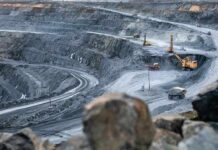
Energy security is also on the line. Guyana’s offshore oil has raised the stakes around Essequibo. Research shows that expected oil can ignite old border disputes and tempt aggressors. A firm legal path reduces risk, supports investment, and stabilizes output. That steadiness helps American drivers, small businesses, and seniors on fixed incomes who feel every jump in fuel and food prices. Respecting borders and courts is not theory; it is a kitchen-table issue tied to inflation and savings.
The Bottom Line: Keep Policy Clear, Keep Pressure on Caracas
Washington should keep policy simple and strong: back Guyana’s lawful border, support the court process, and deter any Venezuelan move to grab land. Any diplomatic outreach must align with that line, not blur it. Guyana has said the case is not a bargaining chip, and the United States has said the border stands under the arbitral award. That clear alignment, held without wobble, best protects an ally, global markets, and America’s word.
One report of a “concession” idea was enough to rattle a friend and embolden critics. Conservatives should expect better. The United States can help secure peace and energy stability by standing firm on law, sovereignty, and honest, unconfused diplomacy.
Sources:
redstate.com, reuters.com, rawstory.com, jamaicaobserver.com, thedailybeast.com, hgptv.com, mysl.lazarski.pl