A court order has halted a Trump-backed rare earths project in the Mojave, even as China dominates the minerals America needs for defense and industry.
Story Highlights
- A preliminary injunction paused work at California’s Colosseum Mine after environmental groups sued.
- China controls most rare earth refining, heightening U.S. supply risk and strategic pressure.
- President Trump launched “Project Vault” to build a strategic reserve of rare earths.
- Opponents cite park protections and habitat harms; a House document flags reliance on a 1985 plan.
Court Injunction Stops Colosseum Mine Amid Lawsuit
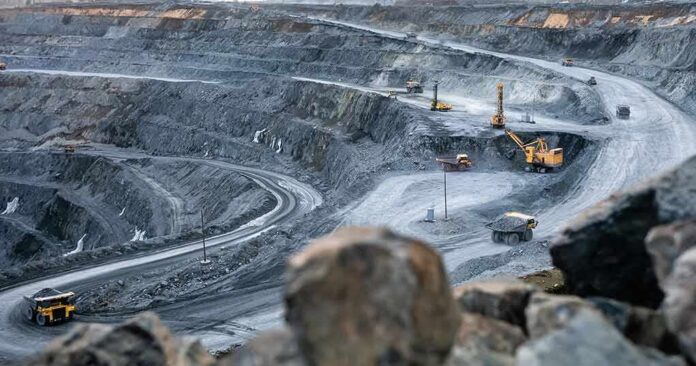
A federal court kept an injunction in place that stops activity at the Colosseum Mine in the Mojave National Preserve. Earthjustice and the National Parks Conservation Association argued that recent grading, drilling, and road work risked “irreparable” harm to the desert landscape. The order pauses work while the case proceeds and challenges the Department of the Interior’s approval process for renewed mining at the decommissioned site, including claims that required environmental reviews were skipped.
Opponents say the mine sits in a sensitive area for rare plants and desert bighorn sheep, and they argue only the National Park Service can approve activity on preserve lands. They also contend the company relied on a 1985 plan that predates the preserve’s creation in 1994. A House document echoes those concerns, stating the approval cited the 1985 plan without a modern environmental review, which could threaten the park’s protected resources.
Why Rare Earths Matter for Security and Industry
Rare earth elements make strong magnets used in fighter jets, missiles, energy systems, and vehicles. The International Energy Agency reports that China accounts for about 60 percent of global mined production of magnet rare earths and 91 percent of refined output. That grip, especially in refining, leaves American manufacturers exposed to supply shocks and political pressure. Building secure non-Chinese sources is part of a broader effort to lower risk across the supply chain.
President Trump announced “Project Vault,” a strategic reserve of rare earth minerals, to protect American factories from disruptions. The plan is designed to backstop critical industries and buy time while new supply and processing grow at home. The reserve complements efforts to restart or expand domestic projects like Colosseum. Supporters say action now helps avoid a future crisis where foreign controls or market moves could starve U.S. defense and energy sectors of key materials.
The Colosseum Dispute: Competing Claims and Legal Questions
Supporters of the mine say reopening Colosseum can reduce U.S. dependence on China and build a foundation for processing and manufacturing here at home. They argue opponents’ legal tactics stall jobs, stifle investment, and keep America tied to a rival power’s minerals pipeline. They also note that courts often allow limited work when agencies follow the law, suggesting the case will turn on whether reviews and permits were handled correctly, not on slogans.
Opponents frame the fight as defending national park protections and wildlife habitat. They highlight visible site work and claim it limits access and harms the landscape. Their lawsuit asserts the Department of the Interior approved renewed industrial mining without the environmental analysis federal law requires. The current injunction does not decide the final outcome; it holds the line while judges weigh the legal record and the claims of long-term harm to park resources.
Strategic Stakes: Supply Chains, Not Just One Mine
Policy experts warn that a single mine cannot fix a global chain dominated by China. Mining is only one step; concentration, separation, refining, alloying, and magnet making also matter. Still, each domestic project can cut risk if paired with permits, processing, and steady demand. The goal is a network: mines, refineries, and factories, backed by a smart reserve. That is how the United States builds leverage and protects national security over time.
Foundation With Chinese-Government Ties Funds Groups Suing to Halt Trump-Backed Rare Earth Mine https://t.co/wSpEX44r3q
— E.J.R. 🇺🇸 ⛳️ (@NCHornet) November 17, 2026
For now, the Mojave case pits environmental law claims against supply security goals. The administration backs strategic minerals, but it must also show agencies followed the law on park lands. If the government cures process gaps, projects can move with tighter safeguards. If not, delays will linger. What is not in dispute is the risk: China’s lead in refining is real, and every month of U.S. delay keeps critical industries exposed to foreign control.
Sources:
newstribune.com, thenationalnews.com, earthjustice.org, docs.house.gov