Brussels is moving to shut the door on most fighting-age Ukrainian men, turning Europe’s “refuge” into a sorting line for war manpower.
Story Snapshot
- The European Commission plans to extend refugee protection for Ukrainians to 2028 but block most new military-age men from that shield.
- EU officials say Kyiv asked for this change to feed its draft, while human rights voices warn it turns refugees into tools of war.
- Men already protected in the EU keep their status, but new arrivals aged about 23–60 face tough screening or rejection.
- This shift shows how Europe now ranks people by “usefulness” in war, raising big questions for future refugee and migration policy.
Brussels Redraws the Line for Ukrainian Men
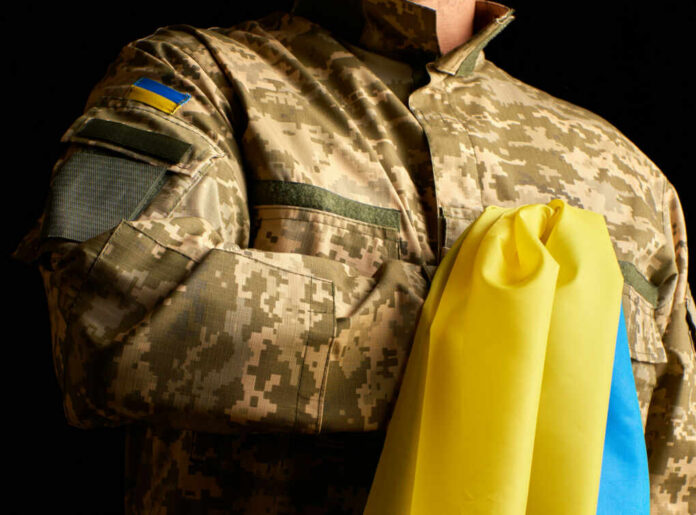
The European Commission has proposed extending the special protection scheme for Ukrainians in the European Union until March 2028, but with a sharp new limit on men of fighting age. Under the plan, newly arriving men who are subject to Ukraine’s military draft and do not have official permission to leave would no longer qualify for temporary protection status. That status is what has allowed more than four million Ukrainians to live, work, and access services in EU countries since 2022.
European Union Home Affairs Commissioner Magnus Brunner says the goal is to balance safety for civilians with Ukraine’s need to defend itself against Russia’s invasion. He explained that temporary protection should “not be granted as a rule” to people who are barred from leaving Ukraine because of military duties, and added that Ukrainian authorities asked Brussels to impose this exemption. Poland, Germany, Austria, and Denmark have all backed tighter rules, seeing them as support for Kyiv’s mobilization and a way to ease pressure on their own systems.
Who Is Blocked — And Who Still Gets Protection
The proposal mainly targets men roughly between 23 and 60 years old who could be called to serve in the Ukrainian army. Officials describe the legal text as “gender-neutral,” but admit this age band of men will be hit the hardest. There are carve-outs: people with severe disabilities, men caring for three or more children, and those formally judged unfit for combat can still get temporary protection if they arrive in the EU. Importantly, the change would only affect new applicants; men already living under the scheme in Europe will keep their permits and rights.
Even if temporary protection is denied, the regular asylum system would remain open for individual claims. That means a Ukrainian man who can show a personal risk — such as political persecution or a specific threat — could still apply for asylum on a case-by-case basis. Critics note, however, that asylum procedures are slower and stricter, and many war refugees rely on temporary protection because it avoids long legal battles. Denmark already uses similar rules, giving residence only to men who can prove a formal exemption from military duty.
Human Rights Concerns and the “Utility” Test
The Council of Europe’s human rights commissioner has warned EU states not to scale back protection in a way that forces people to return to danger before it is safe. He argues that claims connected to military service obligations must be assessed individually, not swept aside based only on age or draft status. This view clashes with the new “as a rule” exclusion for conscription-age men, which looks more like a blanket filter than a personal review of risk.
Media and analysts describe the plan as a shift from broad humanitarian refuge toward “selective protection based on utility in war,” where those seen as useful fighters are nudged or pushed back toward the front. Civil society voices worry this will turn Ukrainian refugees into bargaining chips between Kyiv and EU capitals, rather than people fleeing bombs and shells. For conservative readers, this raises a core question: if Europe can rank foreign refugees by war value today, what stops it from ranking other migrants — or even its own citizens — by similar standards tomorrow?
What This Means for Ukrainian Men and for the West
The immediate impact is clear: a young Ukrainian man who slips out of the country without legal permission will find Europe far less welcoming than it was in 2022. Without temporary protection, he may face detention, denial of stay, or quiet pressure to go back, especially in states that closely share data with Kyiv. At the same time, women, children, and older people will still receive extended shelter until 2028, reinforcing a model where men of fighting age are treated as a separate class.
Long term, this policy exposes deep tensions inside the West. On one hand, EU leaders say they are defending a partner under attack and cannot help drain its army. On the other, human rights rules and the original temporary protection directive were written to guard anyone fleeing war, not only those whom their home government is willing to spare. For American conservatives, this story is a warning about how fast “emergency” migration rules can turn into tools of manpower control and how fragile real refugee protection becomes when global elites decide war needs come first.
Sources:
zerohedge.com, reuters.com, globalnation.inquirer.net, dw.com, euobserver.com, euractiv.com