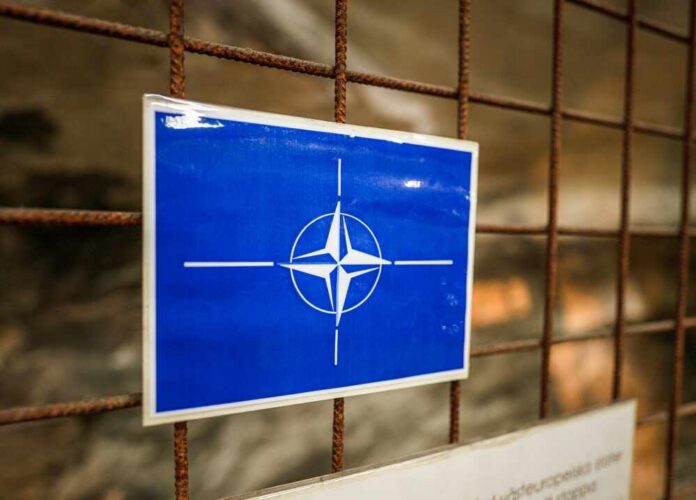
NATO leaders are using the Ankara summit to prove to President Trump – and to the world – that Europe is finally putting real money and real weapons behind its defense promises.
Story Snapshot
- NATO is shifting from talk to action, showcasing huge arms deals and a path to 5% defense spending.
- European allies and Canada now spend about 4% of GDP on defense and security, with more to come.
- Tens of billions in new contracts aim to answer Trump’s pressure for fair burden sharing and stronger deterrence.
- Holding the summit in Turkey highlights political tensions even as leaders try to stay focused on defense.
NATO Moves From Promises to Real Defense Spending
Leaders from all 32 NATO countries are meeting in Ankara for two days of talks focused on turning big promises into real power on the ground. Last year at The Hague, allies agreed on a landmark goal: spend 5 percent of national economic output on defense and security by 2035. That target goes far beyond the older 2 percent pledge and reflects a harsher world after Russia’s war on Ukraine. Now the question is simple: are allies finally putting their money where their mouth is?
NATO Secretary General Mark Rutte made clear before the summit that this meeting is about “delivery,” not more speeches. He said allies must show how they are turning those spending promises into “stronger armed forces, increased defence production, and more capabilities.” Rutte also stressed that support for Ukraine remains a core task, tying higher defense budgets to real help on the front lines. That message lines up with President Trump’s long‑standing demand: allies must pay up and build serious strength, not just talk.
Tens of Billions in Arms Deals and a 4% Spending Reality
Reports from Ankara describe a wave of new arms deals designed to prove NATO’s spending push is real, not just on paper. A NATO official told reporters the summit has produced procurement agreements worth at least $50 billion, with more details still being counted. Rutte previewed “tens of billions in new contracts” for vital equipment, from air defense and ships to advanced systems that boost deterrence and industrial jobs on both sides of the Atlantic. These deals show allies trying to match Trump’s burden‑sharing demands with hard numbers.
Behind those contracts is a striking shift in spending. Rutte says European allies and Canada are already investing around 4 percent of their economic output in defense and security, just one year into a ten‑year plan to reach 5 percent. Analysts at a major think tank note this builds directly on the Hague pledge for 5 percent by 2035, including both core defense and wider security needs. All 31 armed allies are now thought to have hit or passed the older 2 percent goal, a huge jump from the handful that met it a decade ago. That change did not happen by accident; it followed strong pressure from Washington and a much more dangerous Europe.
Trump’s Pressure, Europe’s “NATO 3.0,” and the Turkey Paradox
Coverage before the summit framed Ankara as a key test of what some call “NATO 3.0” – a phase where Europe spends more, produces more, and takes greater responsibility as the United States reviews its role. European governments have broadly accepted they must step up, in part because Trump has been “extremely forceful” about fair burden sharing, and in part because Russian aggression shows the cost of weakness. The White House is watching closely to see if bigger European budgets become real military power quickly enough to keep the alliance strong.
🏢 Leaders begin arriving at the Presidential Complex in Türkiye's capital Ankara for the 36th NATO Summit
📌 Turkish President Erdogan and NATO Secretary General Rutte welcome heads of state and government from 32 member states
🔴 Follow our live blog for the latest updates:… pic.twitter.com/zN4KUzm5bu
— Anadolu English (@anadoluagency) July 8, 2026
The choice of Turkey as host adds a layer of tension. Analysts describe a “Turkey paradox”: the country is a vital member sitting at a tough crossroads, yet its domestic politics and past disputes sometimes strain the alliance. Some fear these political issues could distract from hard defense work or mute open debate about Turkey’s role. Still, leaders have gathered in Ankara with a clear agenda: lock in higher spending, secure long‑term support for Ukraine, and prove NATO can deliver concrete results even amid internal friction.
Sources:
youtube.com, nato.int, aljazeera.com, reuters.com, en.wikipedia.org, mwi.westpoint.edu, facebook.com, csis.org