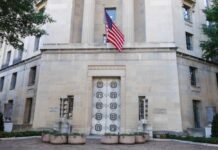
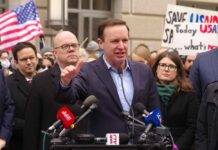
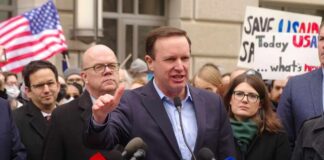
Federal intervention in California’s redistricting plan has ignited a nationwide debate, challenging the state’s sovereignty and electoral processes. The U.S. Department of Justice (DOJ) has filed a significant lawsuit against Governor Gavin Newsom and Secretary of State Shirley Weber, contesting the legality of the state’s new redistricting plan associated with Proposition 50.
Story Highlights
- The DOJ has filed a lawsuit against California’s redistricting plan.
- Governor Gavin Newsom and Secretary of State Shirley Weber are named in the lawsuit.
- The lawsuit aligns with GOP opposition to Proposition 50.
- This case may set a precedent for future federal involvement in state electoral processes.
Federal Lawsuit Challenges California’s Redistricting
The U.S. Department of Justice has taken a bold step by filing a lawsuit against California Governor Gavin Newsom and Secretary of State Shirley Weber. The lawsuit challenges the legality of the state’s new redistricting plan, associated with Proposition 50. This move marks a rare instance where federal intervention aligns with Republican opposition, questioning the integrity of California’s electoral reforms and potentially reshaping the balance between state sovereignty and federal oversight.
Proposition 50 has been at the heart of California’s recent redistricting controversies. Introduced to reform the process, critics argue it opens the door for partisan manipulation. Despite its passage, the DOJ claims the plan violates federal standards for fair representation, prompting this significant legal challenge. With California being a Democratic stronghold, this lawsuit has intensified political debates both within the state and across the nation.
🚨 The Dhillion law group has filed a lawsuit challenging California's new congressional map.
They allege that the mapmakers improperly considered race, specifically Hispanics, in violation of the 14th and 15th Amendments.
Appeals here will go directly to SCOTUS. pic.twitter.com/fzzdtN7RBb
— DW Fan (@daily_wire_fan) November 5, 2025
Background of Proposition 50 and Political Tensions
California’s history with redistricting has been riddled with disputes over gerrymandering. Proposition 50 emerged as a solution, yet its implementation under Newsom and Weber has faced staunch opposition from Republican leaders. The DOJ’s intervention underscores the ongoing conflict between state-level electoral reforms and federal standards, particularly in states with significant national representation like California. This lawsuit not only highlights the persistent partisan tensions but also the potential for increased federal scrutiny over state electoral practices.
Statements from Governor Newsom and Secretary Weber emphasize their commitment to the legality and fairness of the redistricting plan. Meanwhile, the DOJ’s stance suggests a violation of federal law, aligning with GOP leaders who have praised the DOJ’s action. The legal battle now pending in federal court could delay upcoming elections and reshape California’s political landscape, with broader implications for national redistricting reforms.
Implications and Future Outlook
The outcome of this lawsuit could have far-reaching effects, setting a precedent for federal intervention in state redistricting affairs. In the short term, it introduces legal uncertainty over California’s district maps, potentially delaying elections. In the long term, it could influence national debates on electoral fairness and the role of federal oversight. As political tensions rise, California voters remain at the center of this contentious issue, with their representation and district boundaries hanging in the balance.
The broader political and economic impacts are significant, affecting congressional representation and public trust in electoral processes. This case serves as a crucial test of the balance between state autonomy and federal authority, with potential consequences for similar measures in other states.
Watch the report: DOJ moves to block California’s Proposition 50 congressional map
Sources:
Justice Department Sues Governor Gavin Newsom for California’s Race-Based Redistricting Plan
Justice Department sues to block California US House map in clash that could tip control of Congress
Trump administration tries to join lawsuit against California redistricting