Sirens echoing across Kuwait and Bahrain after Iranian attacks are the latest warning that America’s fight with Tehran is pushing the Gulf – and global energy supplies – to the brink.
Story Snapshot
- U.S. forces hit about 90 Iranian military sites after attacks on three commercial vessels near the Strait of Hormuz.
- Iran’s Revolutionary Guard answered with missiles and drones toward U.S. bases in Kuwait and Bahrain, setting off civil defense sirens.
- Kuwait says it intercepted incoming Iranian drones and missiles, but reports of damage and injuries show the region’s civilians are now in the crosshairs.
- The clash threatens a fragile ceasefire and raises real risks for oil prices, supply chains, and U.S. troops defending vital sea lanes.
U.S. Strikes Aim To Protect Shipping And Push Back On Iran
U.S. Central Command said American forces launched “powerful” precision strikes on roughly 90 Iranian targets after Tehran attacked at least three commercial ships passing through the Strait of Hormuz. The targets reportedly included missile and drone storage sites, coastal radar, command centers, and more than 60 small boats tied to Iran’s Revolutionary Guard, all used to threaten tankers and cargo traffic in the Gulf. U.S. officials framed the operation as self-defense and a clear message that attacks on innocent civilian mariners will carry a heavy cost.
Those strikes followed confirmed hits on a Qatari natural gas tanker and a Saudi crude carrier, attacks that set a vessel ablaze and rattled already fragile ceasefire talks. The Treasury Department backed the military action with economic pressure, revoking a key oil sanctions waiver that had allowed Iran to keep selling crude despite the ongoing conflict. Together, the military and financial steps show Washington is trying to choke off Iran’s ability to fund and carry out maritime harassment while keeping the strait open for allies and global markets.
Iran’s Retaliation Brings Sirens And Explosions To Kuwait And Bahrain
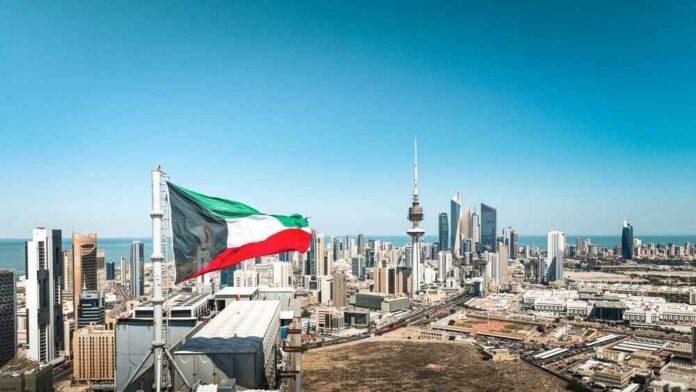
Iran’s Revolutionary Guard responded by claiming drone and missile attacks on what it called “enemy bases” across the region, including U.S. facilities in Kuwait and the Navy’s Fifth Fleet headquarters in Bahrain. Sirens blared over Kuwait City as air defenses opened fire to intercept incoming Iranian drones and missiles, with officials confirming explosions in the sky and urging residents to take shelter. Kuwait later reported its air defense systems had successfully intercepted multiple threats, though at least its international airport suffered damage and injuries from drone strikes.
Bahrain also activated warning sirens as Iranian missiles and drones headed toward U.S. positions and local infrastructure. Iran’s Guard publicly framed these attacks as direct retaliation for U.S. strikes on sites in Jask, Sirik, and Qeshm Island, including radar and communications facilities tied to operations in the Strait of Hormuz. U.S. officials said most of the incoming fire was intercepted in cooperation with Gulf partners, and Central Command stressed that no warships were hit and shipping continued through the strait despite Iran’s threats to “close” the passage.
Fragile Ceasefire, Rising Energy Risks, And What It Means For Americans
This latest exchange comes on top of a fragile ceasefire that has been broken several times by attacks on ships, drones, and bases, even as negotiators try to keep talks alive. Since April, Washington and Tehran have traded strikes while arguing over nuclear limits, sanctions relief, and control of a chokepoint that carries about a fifth of the world’s traded oil and gas. Every missile and drone launched near the Strait of Hormuz threatens not only U.S. troops and Gulf civilians, but also the fuel prices, inflation, and supply chains American families still feel at home.
Shipping companies and insurers are now rethinking routes, with several main paths likely closing for at least some time due to the danger. Iran’s propaganda pushes claims of devastating hits on U.S. bases, while U.S. Central Command counters that many of those stories are false or greatly exaggerated, adding an information war to the shooting one. For conservative readers, the stakes are clear: keeping freedom of navigation, backing our troops under fire, and rejecting Iran’s attempt to bully the region and weaponize energy against the United States and its allies.
Sources:
cbsnews.com, abcnews.com, bbc.com, nytimes.com, cnn.com, reuters.com, washingtonpost.com, cnbc.com, pbs.org, apnews.com, thehill.com, youtube.com, iranwire.com, globalsecurityreview.com, yipinstitute.org