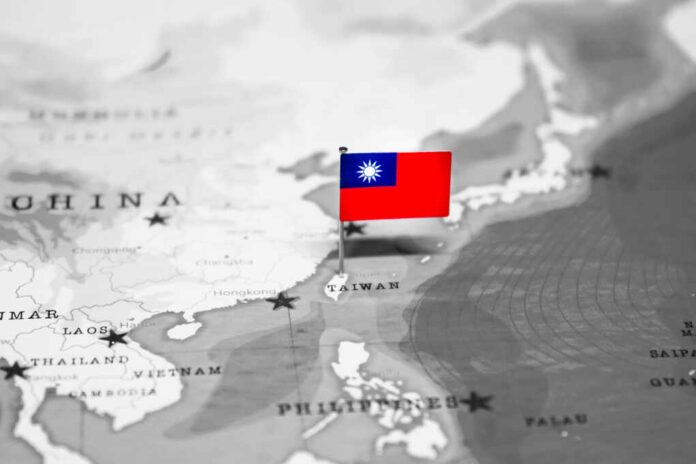
Taiwan’s Kuma Academy is quietly training tens of thousands of civilians in survival, first aid, and information defense as China ramps up military pressure.
At a Glance
- Kuma Academy was founded in late 2021 to train civilians in civil defense.
- Around 80,000 Taiwanese citizens have taken part in its programs.
- China has condemned the academy, labeling it a separatist effort.
- Courses emphasize first aid, survival tactics, and disinformation resistance.
Civilian Defense Under Pressure
Taiwan’s Kuma Academy has become a focal point of grassroots defense preparations against China’s growing military pressure. Established in 2021, the nonprofit group organizes courses covering first aid, urban survival skills, and strategies to combat disinformation campaigns. Its operations are deliberately secretive, with limited press access and heightened security protocols. This approach reflects both the sensitivity of its mission and the security risks facing participants.
The academy’s model draws inspiration from Cold War–era civil defense initiatives but is adapted for the modern era, where hybrid warfare combines cyberattacks, information campaigns, and gray-zone tactics. Its expansion has been rapid, training more than 80,000 civilians since inception. A large proportion of its trainees are women and young adults, signaling a shift in societal involvement in national defense.
Watch now: Taiwan’s Hidden Civilian Army
Beijing’s Suspicion and Regional Fallout
China has reacted strongly to the growth of Kuma Academy, portraying it as an organization fostering separatist sentiment. Beijing has paired this criticism with an increase in military exercises around Taiwan, including large-scale aerial patrols and naval maneuvers. The academy’s existence has thus become another flashpoint in cross-strait relations, reflecting the broader struggle over Taiwan’s future.
The Chinese government has also expanded its information campaigns in response, accusing Taiwan of militarizing its society. This narrative is intended to undermine international sympathy for Taipei and to portray its defensive preparations as destabilizing. Yet, despite these pressures, Kuma Academy continues its work, reflecting the determination of Taiwanese civil society to adapt to evolving security threats.
Building a Culture of Preparedness
Beyond immediate defense training, Kuma Academy is reshaping the culture of preparedness in Taiwan. Its focus on resilience against disinformation highlights the nontraditional threats facing modern societies. By blending physical readiness with psychological and digital resilience, the academy has become a model of integrated civil defense.
Domestically, the academy’s visibility has encouraged broader public participation in civil preparedness. This cultural shift could have long-term implications for Taiwan’s ability to withstand external shocks, whether military or informational. Internationally, Kuma’s example is already being studied by other nations concerned about hybrid threats, from cyberattacks to coordinated propaganda campaigns.
Still, its work carries risks. By expanding civilian participation in defense, Taiwan strengthens its deterrent posture but also risks provoking further hostility from Beijing. The balancing act between resilience and escalation remains one of the defining challenges for Taipei as it navigates intensifying regional tensions.
Sources