Netanyahu is demanding President Trump take a muscular stance on Iran that goes far beyond nuclear weapons—pushing for a comprehensive deal that dismantles Tehran’s ballistic missile arsenal.
Story Snapshot
- Netanyahu meets Trump for the seventh time in his second term, urging expanded Iran negotiations beyond nuclear limitations
- Israel demands curbs on Iran’s ballistic missiles and support for Hamas and Hezbollah, while Trump weighs diplomatic solutions against military action
- Indirect U.S.-Iran talks in Oman follow a devastating 2025 war that killed nearly 1,000 Iranians and 40 Israelis after strikes on nuclear sites
- Experts warn a narrow nuclear-only deal could stabilize Iran’s regime without addressing the terror threats that endanger American interests and allies
Netanyahu Pushes for Comprehensive Iran Strategy
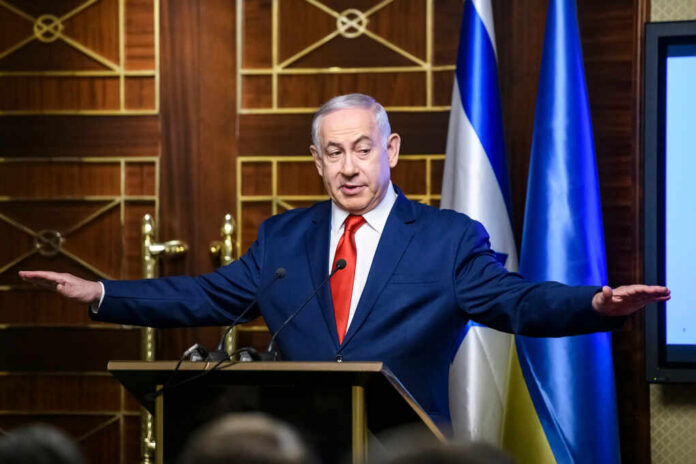
Israeli Prime Minister Benjamin Netanyahu met with President Trump at the White House on February 11, 2026, marking their seventh meeting since Trump returned to office. Netanyahu’s central objective involves expanding current U.S.-Iran negotiations to address not only nuclear weapons but also Tehran’s ballistic missile program and its funding of terror proxies including Hamas and Hezbollah. The Israeli leader outlined what he called “essential principles” necessary for global security, emphasizing that a narrow focus on nuclear capabilities alone would leave Israel exposed to existential threats. Netanyahu held preparatory meetings with U.S. envoys Steve Witkoff and Jared Kushner, as well as Secretary of State Marco Rubio, before the main White House discussion.
Watch:
https://youtu.be/rVp6AgLNC4w?si=kyMNkkm9sP9i0_tQ
Trump Balances Diplomacy with Military Deterrence
President Trump expressed cautious optimism about reaching a deal with Iran while simultaneously warning of severe consequences if negotiations fail. Trump stated that Iran would be “foolish” not to accept terms following the devastating 2025 military strikes that he claims “obliterated” much of Iran’s nuclear infrastructure. The President emphasized his administration seeks a comprehensive agreement covering both nuclear weapons and ballistic missiles, explicitly rejecting a return to the weak 2015 JCPOA framework that he withdrew from in 2018. Trump’s approach leverages America’s military presence in the Gulf and economic sanctions as negotiating tools, maintaining maximum pressure while leaving diplomatic channels open through indirect talks in Oman that resumed following last summer’s conflict.
Iran Resists Expanded Negotiations Framework
Iranian Foreign Minister Abbas Araghchi has signaled resistance to broadening negotiations beyond nuclear issues, insisting on Iran’s right to uranium enrichment and demanding sanctions relief without comprehensive concessions. Iran continues blocking International Atomic Energy Agency inspections despite satellite imagery showing activity at previously bombed nuclear sites, raising questions about Trump’s assessment of total destruction. The regime faces mounting internal pressure from January 2026 protests and economic deterioration, yet maintains support for proxy forces throughout the Middle East. Iranian officials express deep mistrust of American intentions following the 2018 JCPOA withdrawal and subsequent maximum pressure campaign that crippled their economy and culminated in direct military confrontation.
Security Experts Warn Against Incomplete Deal
Israeli intelligence expert Sima Shein argues that a narrow nuclear-focused agreement would effectively rescue Iran’s collapsing regime without addressing the terror infrastructure threatening Israel and American interests globally. Shein emphasizes negotiations must include release of detained Americans and humanitarian accountability mechanisms, not just technical nuclear restrictions. Naysan Rafati of the Crisis Group warns against open-ended talks that allow Iran to deflect pressure without substantive concessions, urging the Trump administration to establish clear walk-away parameters. This represents sound reasoning—any deal legitimizing Iran’s government while permitting continued missile development and terror financing would undermine both Israeli security and broader American strategic interests across the Middle East.
Bibi Seeks US Muscular Action On Iran In Seventh Meeting With Trump https://t.co/DbK3bXUPjq
— zerohedge (@zerohedge) February 11, 2026
The outcome of these negotiations will determine whether Trump’s maximum pressure approach successfully neutralizes Iranian aggression or whether premature diplomatic concessions allow the regime to reconstitute its nuclear program while maintaining its terror networks. The stalled Gaza ceasefire negotiations over Hamas disarmament further complicate the regional dynamics, with Iran’s proxy support directly undermining stability. Trump faces the challenge of securing meaningful concessions without repeating past mistakes that empowered Iranian aggression, while Netanyahu must balance his influence over U.S. policy against Trump’s ultimate authority to define American negotiating positions and red lines.
Sources:
Netanyahu to Urge Expanded Iran Talks During White House Meeting; Trump Says Tehran Wants Deal
Trump and Netanyahu Meet at White House for High-Stakes Talks on Iran and Gaza Plan