An overnight blaze at an Algerian orphanage killed at least 11 people and injured 19, raising hard questions about basic safety and accountability.
Story Highlights
- Al Amal orphanage fire near Algiers left at least 11 dead and 19 injured
- Firefighters rescued five people with special needs from the facility
- Injuries included burn victims and smoke inhalation cases; cause under investigation
- Preliminary counts and sparse state reporting limit clear details on victims
Confirmed Casualties And Rescue Details From Civil Protection
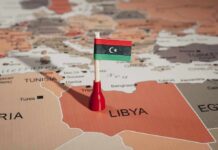
Algeria’s civil protection authorities reported at least 11 deaths and 19 injuries after a fire at the Al Amal Childhood Foundation orphanage in Mohammadia, a suburb of Algiers. Emergency teams said they evacuated five people with special needs from danger. Medics treated ten people for burns and others for breathing problems and shock. Officials called the numbers preliminary. Crews fought the fire and searched rooms as part of rescue efforts before transferring victims to nearby hospitals.
Authorities have not confirmed the exact cause. Investigators are looking at how the fire started and whether safety measures worked as they should. The orphanage’s safety systems, escape routes, and staff training will likely be key parts of the review. Officials have not released a timeline for findings. Without a completed report, questions remain about alarms, sprinklers, and inspections at the site. These answers matter for preventing another tragedy in the region.
What We Know Versus What Remains Unclear
The basic facts are firm: a deadly fire, multiple injuries, and a rescue that included people with special needs. The details grow thin beyond that. The reported toll is preliminary, so it could change as families are notified and hospitals update cases. State-linked reports and limited international coverage make independent checks hard. That gap limits clarity on the ages of the dead and the number of children among them, which some social posts claim but official sources have not pinned down.
News outlets that cited civil protection described a fast emergency response and active rescue operations. They also noted medical care for smoke inhalation and trauma. There is no published forensic analysis yet. That means we do not know if faulty wiring, a space heater, human error, or arson sparked the blaze. Until officials issue a full report, the record stops at early facts and an open investigation. For now, prudence calls for patience and pressure for transparency.
Why This Matters For Families, Faith, And Freedom
Child welfare must never hide behind closed doors. When a care home burns and lives are lost, the public deserves straight answers. Clear rules, honest audits, and working alarms save lives. Nations that keep reports in-house leave parents and donors in the dark. Americans know this lesson well. We demand transparency after every school fire, hospital lapse, or transit crash. The same standard should apply abroad, and partners should share best practices to guard children in care.
BREAKING: 11people have died and 19 others injured in a fire tragedy at an orphanage on the outskirts of the 🇩🇿Algerian capital Algiers, early on Thursday, state media reported.#KSTVUpdates #KSTVNews pic.twitter.com/x12uIlsBZY
— KSTV Uganda (@kstvug) July 16, 2026
America can lead by example without heavy-handed schemes. Local control, strict but simple fire codes, and real inspections work. Faith-based and civic groups can help train staff, fund upgrades, and check exits and drills. When facts are scarce, rumors fill the gap. Officials in Algeria should release a full timeline, safety logs, and findings on alarms, exits, and staff actions. Families and donors can then judge what failed and how to fix it before another night turns deadly.
Regional Context: Underreported Institutional Disasters
Regional reports show a pattern of thin public records around institutional care. Analysts have noted large numbers of children in North African institutions, yet few open audits and limited data on safety and outcomes. When tragedies hit, state media often sets the first and only record, and outside checks lag or never come. That pattern makes this case familiar and frustrating. Lives depend on plain truth, not press lines. Full, public findings can break that cycle.