President Trump’s move against the Election Assistance Commission has turned a quiet federal board into the next constitutional fight over who controls elections.
Quick Take
- The Election Assistance Commission is an independent, bipartisan commission created by law to help states improve election administration.
- Supporters of the firings say Trump is using lawful executive power to restore accountability and fix agency failure.
- Critics say the dismissals violate long-standing removal protections and push power away from Congress and the states.
- The fight sits inside a much larger Supreme Court battle over whether presidents can remove independent agency leaders without cause.
What Happened at the Election Assistance Commission
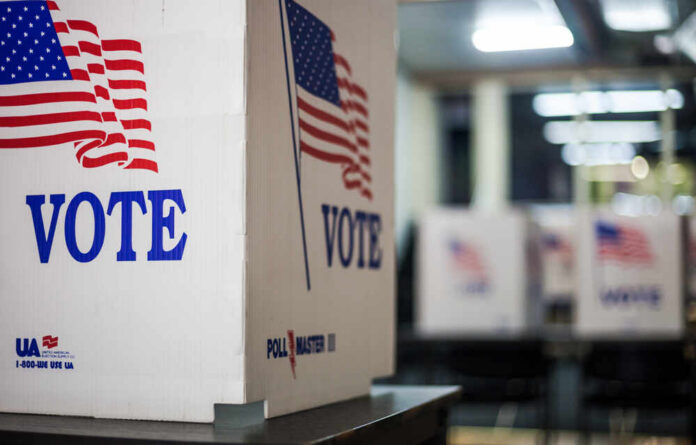
Reports say Trump removed the remaining commissioners from the Election Assistance Commission, including members from both parties. The agency helps election officials with voting system guidance, grants, and election administration support. Its own website describes it as an independent, bipartisan commission created under the Help America Vote Act of 2002. That structure matters because the board was built to sit outside direct White House control.
The firings fit a larger pattern that has angered many voters who want less Washington meddling and more local control. Since returning to office in 2025, Trump has moved against several independent boards and commissions, and recent reporting says the Supreme Court has already shifted the legal ground in his favor on some removal cases. That makes this case more than a personnel dispute. It is another test of executive power.
Why Supporters Say the Move Was Legal
Trump’s defenders argue that the president must be able to remove agency heads who block his agenda or fail to do their jobs. That argument follows the unitary executive theory, which says the president holds final control over executive power. In Supreme Court arguments over a separate firing case, Solicitor General John Sauer said the chief executive has “the ultimate power” to fire officials he no longer wants in office. Supporters see that as basic accountability, not chaos.
That view has more force now because the Supreme Court’s recent rulings weakened old barriers on presidential removals. Reports on the Court’s June 2026 decision say the justices gave Trump new authority over many independent agencies and overturned a major restraint on firing protected commissioners. For conservatives frustrated by unelected boards and slow-moving bureaucracy, that looks like a long-overdue correction of a system that often answers to itself.
Why Critics Call It a Power Grab
Opponents say the EAC was never meant to be run like a normal White House office. Campaign Legal Center argues that Congress built independent agencies with tenure protections so presidents cannot fire members just for policy disagreement. The Economic Policy Institute says Trump’s broader wave of dismissals has been “blatantly unlawful” under the long-standing Humphrey’s Executor precedent, which protected independent commissioners from at-will removal for 90 years. That legal fight now sits at the center of the dispute.
#BreakingAlert
U.S. President Donald Trump has dismissed the remaining members of the bipartisan Election Assistance Commission (EAC), including two Democratic commissioners who were terminated by the White House and one Republican commissioner who resigned. pic.twitter.com/1N0BurowmF— BB News International Washington DC (@bbnwashingtondc) July 10, 2026
Congressional Democrats also moved quickly to frame the firings as a threat to election rules. Senator Alex Padilla and Representative Joe Morelle warned that Trump’s actions could have “dangerous implications” for elections and campaign finance oversight. Their letters show how fast this fight turned political. The deeper issue for voters is simpler: whether a president can take control of an agency Congress designed to stay independent, especially one tied to election administration.
What Comes Next in the Court Fight
The next step will likely be a court challenge, and the legal result may shape more than this one agency. The Supreme Court brief in the related case asks the justices to overturn Humphrey’s Executor outright. If that happens, the president’s removal power could expand even further across the federal government. If the Court draws a line, the EAC firings may become the case that limits how far a president can go in the name of reform.
For now, the record is clear enough. Trump acted against a bipartisan election board. His allies say that is lawful and overdue. His critics say it breaks the law and weakens safeguards Congress wrote into place. The final answer will come from the courts, but the political message is already plain: control over elections is once again at the center of the fight over federal power.
Sources:
thegatewaypundit.com, seyfarth.com, campaignlegal.org, responsivegov.org, padilla.senate.gov, democrats-cha.house.gov, supremecourt.gov, eac.gov, littler.com, content.govdelivery.com, brennancenter.org, congress.gov