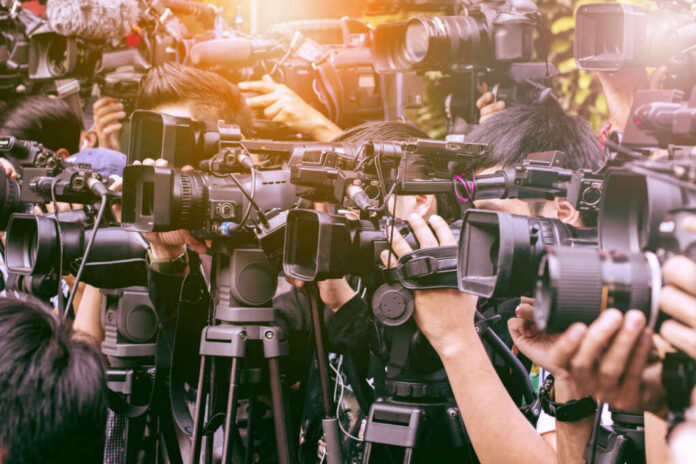
The Trump Justice Department’s move to haul reporters before a grand jury shows how far leak hunters will go when national security secrets hit the front page.
Story Snapshot
- The Justice Department subpoenaed Wall Street Journal and Washington Post reporters over national security leaks, then backed down.
- Acting Attorney General Todd Blanche says going after leakers who share secrets with reporters is a top priority.
- The administration rolled back Biden-era protections and revived the power to target journalists with subpoenas and warrants.
- Media groups cry “press freedom,” but the leaks involved sensitive Pentagon warnings about the Iran war and military risk.
What The Subpoenas Were Really About
The Justice Department issued grand jury subpoenas to four national security reporters, three from the Wall Street Journal and one from the Washington Post, demanding they appear in person to testify about classified leaks. These were not routine records requests. They carried the threat of contempt of court, which can mean jail time if a reporter refuses to name a source. Prosecutors tied at least one subpoena to a February 23 story on Pentagon warnings about risks of extending the Iran campaign.
That Wall Street Journal piece reportedly detailed internal Pentagon briefings that warned the president about dangers of a longer war with Iran, just days before major strikes were ordered. Leaking such internal battle assessments is not a small thing. It can reveal U.S. capabilities, strategy, and timelines to hostile regimes. The administration argues that if insiders can leak war plans to favored outlets without consequence, it puts troops and missions in real danger.
How Trump’s Team Toughened The Rules On Leaks
Acting Attorney General Todd Blanche has been blunt that “prosecuting leakers who share our nation’s secrets with reporters” is a priority for this administration. That stance became real policy when Attorney General Pam Bondi scrapped Biden-era rules that had barred secret grabs of journalists’ records in leak cases, restoring the ability to use subpoenas, court orders, and search warrants against the press. Those earlier rules were written after backlash over hidden seizures of reporters’ phone and email data during the first Trump term.
Under long-standing Justice Department guidelines that date back to the 1970s, going after journalists is supposed to be a last resort, used only after other tools fail and with high-level signoff. Even with those guardrails, federal grand jury subpoenas aimed directly at reporters are very rare, with fewer than a few dozen known cases in the modern era. That is why this move stands out. It signals that the Trump Justice Department is willing to test the edge of those rules if it believes classified information is being funneled to the front page in the middle of an active war.
Press Freedom Outcry And Why The Government Backed Off
Newsrooms and press freedom groups blasted the subpoenas as an attack on the First Amendment, warning that forcing reporters into a grand jury crosses a bright line. The Committee to Protect Journalists called the effort “an attempt to shut down reporting,” while Dow Jones, owner of the Wall Street Journal, branded it “an attack on constitutionally protected newsgathering.” Major outlets from NBC News to the New York Times framed the step as a direct threat to press freedom and a dangerous escalation.
Behind the scenes, lawyers for the Wall Street Journal and the Washington Post challenged the subpoenas in confidential court filings. After those submissions, the Justice Department withdrew the subpoenas with no public explanation. That climb-down suggests judges or career lawyers raised serious questions about either the scope of the demands or the way they were approved. But the key point for readers: the retreat does not mean there were no leaks. It only means the government decided not to force reporters themselves into the witness chair this time.
Leaks, National Security, And A Press That Plays By Its Own Rules
Most mainstream coverage paints the press as the victim here, but many details of the leak probe remain sealed and untested in public. There has been no release of grand jury materials, internal Justice Department memos, or forensic evidence showing exactly what was leaked and by whom. That secrecy cuts both ways. It keeps the public from seeing the strength of the case, but it also means media critics cannot honestly claim the leaks were harmless or entirely made up. The underlying facts remain locked in court records.
🚨 BREAKING: Trump administration subpoenas New York Times reporters over Air Force One story 🇺🇸
Federal agents reportedly delivered subpoenas to journalists’ homes after they covered security concerns about Qatar’s donated Air Force One. The NYT says it’s an attack on press… pic.twitter.com/31O0tV2gMo
— JIMMYTALKSTV (@JimmyDailyNews) July 11, 2026
For conservatives, this clash highlights a real tension. Our Constitution protects a free press, but it also expects a government that can guard secrets about war plans and intelligence. Aggressive leak prosecutions started under President Obama and have now grown under Trump. The question is not whether the press can report on government failures. The question is whether unelected insiders get to break their oaths, hand war plans to friendly reporters, and then hide behind broad “press freedom” slogans when someone finally pushes back.
Sources:
townhall.com, newsday.com, nbcnews.com, newrepublic.com, firstamendment.mtsu.edu, cpj.org, politico.com, nytimes.com