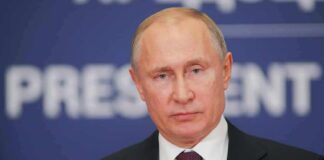

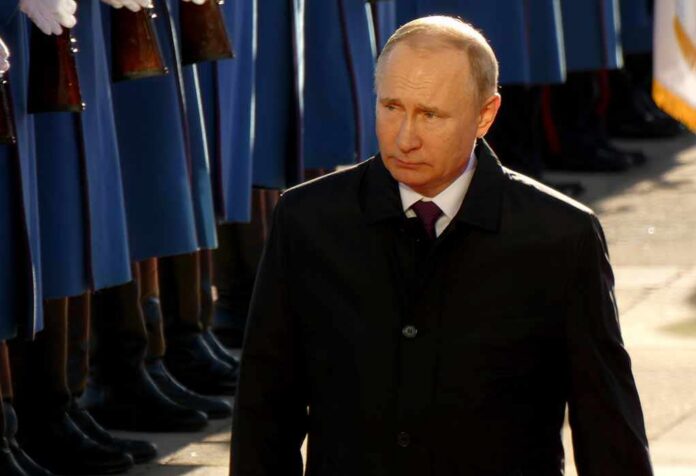
Russia launched a nationwide strike on Ukraine after President Vladimir Putin vowed a “more painful” response to Ukrainian hits on the Crimean Bridge.
Story Highlights
- Ukraine said it struck the Crimean Bridge; Russian officials confirmed damage and halted rail traffic.
- Putin publicly promised retaliation and said it would be “much more painful” for Ukraine.
- Russian forces then hit cities across Ukraine, including Kyiv, Kharkiv, Dnipro, and Zaporizhzhia.
- The bridge is a key military and logistics link, raising the stakes for both sides.
Ukrainian Strike Damages Strategic Crimean Bridge
Ukrainian military officials said their forces struck the Crimean Bridge with Neptune missiles, damaging key sections and disrupting traffic. Russian agencies acknowledged impacts, with the Transport Ministry suspending train movement and sending teams to assess structural damage. The bridge connects Russia to occupied Crimea and has been a vital route for fuel, ammunition, and troop movements. Reporting described the strike as both a military and symbolic blow that challenges Moscow’s control and logistics in the south.
Russia’s Investigative Committee opened a terrorism case and blamed “Ukraine’s armed formations,” underscoring how both sides frame these moves as justified responses. Ukraine has long argued that Russian attacks on its cities and infrastructure forced such actions. The mutual claims fit a wartime rhythm of action, public attribution, warning, and escalation. The bridge’s status as a prized project raises political costs for Moscow when it is hit, and increases pressure to answer force with force.
Putin Pledges Retaliation, Then Russia Pounds Major Cities
President Vladimir Putin said there would be no negotiations and that Russia would retaliate for strikes on the bridge, promising a “far more painful” answer. Russian forces then launched a large overnight barrage across Ukraine. Reports identified Kyiv, Kharkiv, Dnipro, and Zaporizhzhia among the main targets, hitting infrastructure and causing new power and service disruptions as winter closes in. The sequence linked the Ukrainian bridge strike to Russia’s next wave of attacks through timing and public statements.
Analysts and official accounts described the bridge as a high-value military and political target, making it a likely trigger for a harsh response. The public vow from the Kremlin signaled intent, and the broad geographic spread of the next strikes showed Russia’s ability to hit deep and wide. While the precise military orders are not public, the pattern matched earlier cycles where Moscow framed salvos as punitive measures after losses to critical assets.
Why This Matters to American Readers
Escalation in Eastern Europe risks wider shocks that hit American families. Russian barrages against energy and bridges have often driven up risk in global markets, which can push fuel and food costs higher here at home. Ukraine’s strikes on critical nodes, like the Crimean Bridge, aim to squeeze Russian logistics and shorten the war. Russia’s retaliation seeks to break Ukraine’s will by hitting cities and power systems. Both moves raise the danger of spillover and miscalculation.
Conservatives value clear goals, strong borders, and peace through strength. This fight shows what happens when a hostile power tests red lines and uses energy as a weapon. The United States must back policies that deter wider war, keep supply chains stable, and avoid blank checks. President Trump’s team faces a hard balance: support allies, secure our interests, and stop inflationary shocks from foreign crises. American leadership should focus on ending the killing and protecting our economy.
What the Record Shows — And What It Does Not
The record shows three firm points. First, Ukraine hit the Crimean Bridge and Russia confirmed damage and traffic stops. Second, Putin vowed to retaliate and said the payback would hurt more. Third, Russia then struck major Ukrainian cities and infrastructure. The public promise and the timing support a plausible retaliatory sequence. The available reports do not publish Russia’s internal strike orders, so they do not prove which specific targets were chosen because of the bridge.
Outlook: Winter, Infrastructure, and Pressure Campaigns
Winter conditions will magnify each hit on power, water, rail, and roads. Russia appears set to keep pressure on Ukraine’s cities and grid to sap morale and force concessions. Ukraine will likely keep hitting high-value logistics, including the bridge, to starve Russian forces at the front. More strikes mean higher risks to shipping, pipelines, and markets that affect American wallets. Deterrence, energy security, and tight aid oversight will matter in the weeks ahead.
Sources:
france24.com, english.nv.ua, bbc.com, osw.waw.pl, nordexium.substack.com