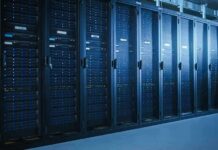


President Trump vowed a “tremendous tax” on U.S. tech firms that build data centers overseas, tying it to national security and America’s energy strength.
Story Snapshot
- Trump said companies that build data centers abroad will face “tremendous penalties.”
- The remarks linked foreign data hubs to strategic risk and China capturing control.
- Trump cited a proposed Finland project and said, “we’re not allowing that.”
- The Senate advanced permitting reforms Trump called a “BIG WIN” for U.S. energy.
Trump’s Warning: Keep Core Computing Power at Home
President Trump told reporters at the White House that U.S. companies would face a “tremendous tax” if they build data centers in other countries. He framed the move as a national-security step tied to control over advanced computing. He argued China could take control of such facilities if built abroad. He said, “We’re not going to allow our companies to build data centers outside of our country.” He then added companies “can” build them, but will face heavy penalties.
The president placed the issue inside ongoing talks about safeguards for advanced artificial intelligence. He cast overseas data-center construction as a strategic vulnerability and said penalties would be “tremendous.” He also pointed to a specific plan to build in Finland and said, “we’re not allowing that.” The remarks did not include the tax rate, the legal tool, or a start date. Reporters also noted staff had not been briefed on the details at the time of the comments.
Policy Details Remain Open, But Energy Build-Out Advances
The threat raises clear questions that the White House has not yet answered. The statements did not identify which agency would enforce the tax, how it would apply to different companies, or what actions would trigger it. Coverage highlighted the lack of a spelled-out legal path, and said the move could face challenges if the administration does not set firm authority. That gap could slow corporate decisions while the policy is defined.
At the same time, the Senate passed bipartisan permitting reforms tied to energy and infrastructure. The bill aims to speed reviews for power plants, transmission lines, pipelines, and other projects. The plan also ensures data centers pay for the power they use, a concern for many local communities. President Trump urged support for this package and called it a “BIG WIN for U.S. ENERGY INDEPENDENCE and DOMINANCE.” Faster builds could help keep computing capacity at home.
The Strategic Stakes: Security, Jobs, and the Grid
The fight is about who controls the engines of modern computing. Data centers run the software that powers banking, defense tools, and artificial intelligence. Trump’s team sees their location and control as a national-security priority. The claim that China could capture overseas facilities is the rationale for pressure on companies. The public record shows Trump’s warning but does not include cited intelligence or ownership evidence in the remarks themselves. That evidence, if released, could strengthen the case.
Keeping builds in the United States could mean more jobs, more domestic investment, and tighter protections under American law. But it also puts weight on the grid. Communities worry about power use and who pays for upgrades. The Senate bill tries to answer that by speeding permits and shifting costs to data centers. Supporters say that cuts red tape, grows energy supply, and keeps bills in check. Critics argue results will depend on execution and the pace of new generation.
What Tech Wants Versus What Security Demands
Major tech firms have pursued global builds to serve users worldwide and tap cheaper land and power. Public reporting shows companies plan or fund data centers in Europe, Asia, and beyond. Those plans now meet a policy push that treats compute like a strategic asset similar to energy or semiconductors. That turn fits with recent federal rules that control access to computing for entities linked to China, signaling a tougher stance on who can use American-grade compute.
Conservatives will see a clear through-line: protect American power, end the offshoring habit, and stop handing leverage to rivals. The tax threat is a tool to hold Big Tech accountable while energy reforms make it easier to build at home. The open question is speed and clarity. A formal policy memo, legal basis, and agency plan would give businesses certainty and help avoid court fights. Until then, the message is set: bring the compute home or pay up.
Sources:
businessinsider.com, apnews.com, hk.ibtimes.com, newsweek.com