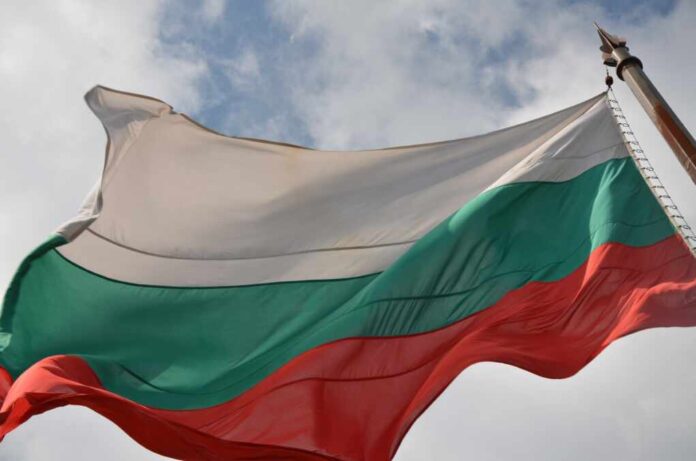
Bulgaria has officially joined the eurozone, marking a significant step toward deeper EU integration and economic stability. However, this milestone is overshadowed by deep-seated public opposition. While government officials tout the long-term benefits, many citizens remain skeptical, fearing potential inflation, price hikes, and a loss of national monetary sovereignty, a divide further fueled by the absence of a public referendum on the critical decision.
Story Highlights
- Bulgaria officially joined the eurozone on January 1, 2026.
- Public opposition remains high due to fears of inflation and loss of sovereignty.
- The government emphasizes the benefits of economic stability and EU integration.
- Concerns about the lack of a public referendum persist.
Bulgaria’s Euro Adoption: A Milestone Amidst Controversy
Bulgaria became the 21st member of the eurozone on January 1, 2026, marking a significant milestone in its economic journey within the European Union. This transition, facilitated by unanimous approval from the EU Council in July 2025, was framed as a step toward financial stability and deeper EU integration. However, the move has faced persistent public opposition, with concerns centered around potential price hikes, loss of monetary sovereignty, and broader inflation impacts. Despite these fears, government officials have stood firm, highlighting the strategic importance of this shift.
Public sentiment towards the euro adoption is mixed. Polls have consistently shown a majority of Bulgarians opposed the move, fearing economic disruptions and the erosion of national control over monetary policy. Critics argue that the transition occurred without a public referendum, leaving many citizens feeling sidelined in a decision that directly affects their livelihoods. This lack of direct public involvement has fueled dissatisfaction, even as the government touts the long-term benefits of reduced foreign exchange costs and enhanced international trade opportunities.
🇧🇬💶 Today, January 1, 2026, #Bulgaria officially became the 21st member of the eurozone, replacing the Bulgarian lev (BGN) with the #euro (€). This happened exactly 19 years after joining the EU in 2007. pic.twitter.com/MJy7nYC30u
— Plane12429 (@plane12429) January 1, 2026
Government’s Rationale and Public Concerns
Bulgarian officials, including caretaker Prime Minister Rosen Zhelyazkov and Finance Minister Temenuzhka Petkova, have consistently emphasized the anticipated economic benefits of the euro adoption. They argue that joining the eurozone will bring greater security, financial stability, and attract foreign investment, thus strengthening Bulgaria’s position within the EU. However, the absence of a public vote on this critical issue has been a sticking point for many, who see it as a bypass of democratic processes. This sentiment is compounded by fears that the euro conversion could exacerbate inflation, a recurring issue that delayed Bulgaria’s initial euro adoption targets.
Supporters of the euro adoption argue that the changeover will simplify transactions and strengthen Bulgaria’s economy by aligning it more closely with EU standards. Yet, opponents worry about the short-term implications, such as potential price rounding hikes and the challenges citizens might face in adapting to a new currency. Despite the fixed lev-to-euro exchange rate, skepticism remains about the government’s ability to manage inflation effectively post-transition.
Long-Term Impacts and Outlook
In the long term, Bulgaria’s integration into the eurozone is expected to enhance economic stability and foster closer ties with other EU nations. The banking sector, in particular, stands to benefit from strengthened supervision and integration into the broader European financial system. However, the social implications of this move cannot be overlooked. Many Bulgarians continue to express concerns about the potential loss of national identity and autonomy, issues that resonate deeply with those who prioritize sovereignty and local governance.
The broader geopolitical implications of Bulgaria’s euro adoption also warrant consideration. As the country navigates its new economic landscape, it must balance domestic concerns with its strategic interests within the EU. The decision to adopt the euro, despite widespread public opposition, underscores the complex interplay between national priorities and collective European goals.
Watch the report: Bulgaria officially joins the eurozone as 21st member on January 1, 2026
Sources:
- Bulgaria joins euro area from 1 January
- Bulgaria joins eurozone despite opposition – DW – 01/01/2026
- Bulgaria becomes eurozone’s 21st member – DW – 01/01/2026
- Bulgaria adopts euro amid celebration and anxiety over inflation | Business and Economy News | Al Jazeera