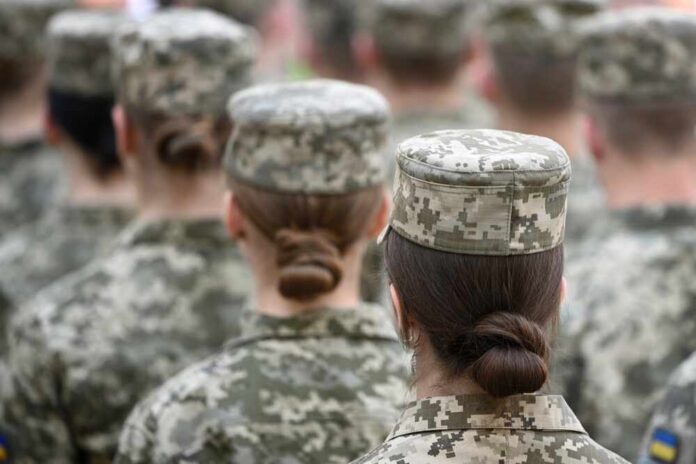
Military sexual abuse survivors may still face a system that changed on paper but not always in practice.
Quick Take
- Attorney Kayla Onder says military sexual assault cases still suffer from missed evidence and weak investigations.
- Recent reforms moved prosecution power away from commanders and to independent special trial counsels.
- Official and outside reports say the reforms have shown some progress, but culture problems remain.
- The fight now is not just about rules, but about whether the military can enforce them fairly.
Onder Says the Biggest Failures Still Start at the Investigation Stage
Kayla Onder says the hardest problems in military sexual abuse cases begin long before trial. In her account, investigators have ignored exculpatory answers, used leading questions, and failed to collect key digital evidence such as text messages. Those failures matter because one weak interview or missing phone record can shape the entire case and leave survivors or the accused without a fair process.
Onder also says these cases are rarely simple “he said, she said” disputes. She points to command involvement, toxic friend-group pressure, and the career-ending effect of an Article 120 charge as signs that the system carries real risk for anyone who reports. Her public comments and advocacy work give her a direct stake in this fight, but the research package does not include hard data that measures how often those fears persist.
Reforms Moved Power Away From Commanders
Congress and the Pentagon did make major changes. The reforms moved prosecution decisions for sexual assault and related crimes out of the military chain of command and into independent special trial counsel offices. The new system gives those prosecutors binding authority on charging decisions, and an executive order later extended that structure to more offenses. Supporters say this change was meant to cut command pressure and bring more independence to military justice.
Those changes are not minor. They create separate prosecution offices in each major service and set rules meant to protect prosecutor independence. They also added uniform sentencing goals and expanded some victim protections, including broader restricted reporting options. In other words, the government did respond with real structural reform. The remaining question is whether a new chain of lawyers can fix the deeper culture problems that survivors and advocates keep describing.
Progress Exists, But It Does Not End the Debate
Some official and advocacy reports say the reforms are starting to show results. Department of Defense reporting cited by outside groups showed a decline in estimated unwanted sexual contact in 2023 compared with 2021. Other summaries say the military has widened reporting options and kept building the special trial counsel system. That is the strongest case for saying the reforms are working, at least in part, even if the full picture is still developing.
At the same time, the available research does not prove that the new rules have solved the core problem Onder raises. The package does not include case audits, survivor surveys, or court findings showing that investigators now gather digital evidence more reliably, or that fear has dropped after reform. For readers who want accountability, that gap matters. A system can look better on paper and still fail the people it is supposed to protect.
What Still Needs to Be Tested
The strongest unanswered question is simple: do these reforms protect survivors in real cases, not just in policy memos? The research package points to a useful next step, because it suggests audits of prosecution outcomes, survivor testimony, and command communications. Those records would show whether the military has truly changed or only shifted responsibility into a new office. Without that proof, supporters and critics are both working from incomplete evidence.
Sources:
military.com, youtube.com, instagram.com, facebook.com, linkedin.com, msmagazine.com, protectourdefenders.com, armyupress.army.mil, jordanucmjlaw.com, ebsco.com, war.gov, sapr.mil, elfreth.house.gov, pmc.ncbi.nlm.nih.gov, wcpinst.org, costsofwar.watson.brown.edu, ptsd.va.gov, dav.org, tandfonline.com