The 2026 Met Gala backlash isn’t really about hemlines—it’s about whether America’s most protected elites can keep preaching virtue while living above the rules everyone else faces.
Quick Take
- Rob Finnerty used the 2026 Met Gala to argue that elite political posturing has overtaken the event’s original fundraising purpose.
- Jeff Bezos’ role as an honorary co-chair drew boycott calls tied to Amazon labor criticism and past controversy over government contracts, including ICE-related scrutiny.
- Left-leaning criticism split in two directions: anti-wealth activism on one side and “MAGA problem” framing around Bezos’ perceived political drift on the other.
- With tickets and tables priced far beyond ordinary Americans, the gala’s “Fashion is Art” message landed amid broader frustration about inequality, inflation, and elite impunity.
Finnerty’s critique taps a broader anti-elite mood
Rob Finnerty’s May 5 monologue framed the Met Gala as a room of “phony liberal elites,” arguing the event now functions as a self-congratulating political stage more than a museum fundraiser. Finnerty mocked the idea of wealthy attendees signaling moral superiority while benefiting from exclusivity and high-dollar access. The commentary resonated because it echoes a bipartisan, decade-long trend: distrust in institutions that appear insulated from the economic pain and cultural upheaval confronting most families.
The gala’s optics are hard to separate from day-to-day economic reality. The research points to ultra-high ticket and table costs and renewed reminders of past moments like Rep. Alexandria Ocasio-Cortez’s 2021 “Tax the Rich” dress, a statement critics seized on because it occurred inside an exclusive, high-priced environment. Even when the event raises money, the messaging conflict persists: redistribution rhetoric presented through a party that normal voters will never be allowed to enter.
Why Jeff Bezos became the lightning rod this year
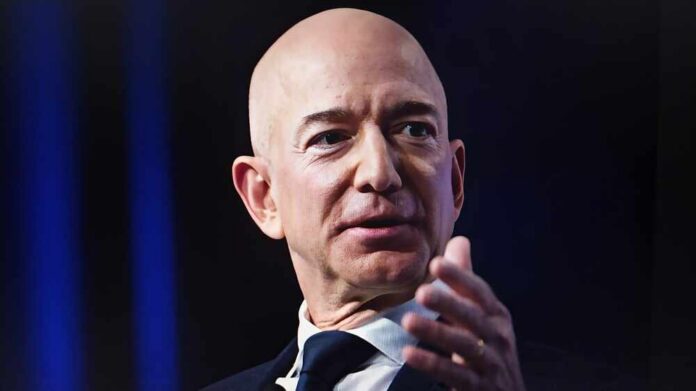
Met organizers announced in November 2025 that Jeff Bezos and Lauren Sánchez Bezos would serve as honorary co-chairs alongside celebrities like Beyoncé, Nicole Kidman, and Venus Williams. That decision imported national political friction into an already controversial event. Activists circulated boycott calls tied to Amazon’s labor record and broader criticism of big-tech power, and the research notes additional anger linked to Amazon’s past government work that drew ICE-related attention.
At the same time, some progressive outlets framed the controversy through partisan symbolism rather than labor or antitrust concerns, describing a “MAGA problem” connected to Bezos’ perceived rightward tilt and Trump proximity. That split matters because it shows how quickly cultural events get drafted into national political narratives, even when the underlying facts are murkier than the slogans. The available research does not document a specific Met response, leaving the public debate to activists, commentators, and sympathetic media camps.
From Costume Institute fundraiser to political theater
The Met Gala began in 1948 as a fundraising dinner for the Costume Institute and, under Anna Wintour’s leadership since the mid-1990s, became fashion’s premier annual spectacle. Recent totals show the money can be substantial, with 2025 reportedly bringing in more than $22 million. Yet as ticket prices climbed and the guest list hardened into a closed circuit, critics increasingly argued the gala’s cultural function shifted—from celebrating design and raising funds to broadcasting status and ideology.
That tension surfaced again with the 2026 theme—“Costume Art,” paired with the dress code “Fashion is Art.” Fashion writers and insiders questioned whether the concept was too obvious and whether the event’s craft focus has been crowded out by celebrity branding. Separate critiques even targeted the aesthetic itself, including commentary that expensive clothing does not automatically equal craftsmanship. None of that is a policy debate, but it shapes a political consequence: public institutions and cultural gatekeepers appear increasingly detached from merit and tradition.
What the backlash reveals about politics, money, and trust
Post-gala coverage and social chatter leaned heavily negative, including YouTube recaps calling the night a “mess” and suggesting the atmosphere felt “off.” The research also flags uncertainty: there are no official figures cited for attendance changes or protest size, and rumors about lower turnout are not confirmed. What is measurable is the intensity of reaction—on the right, hypocrisy arguments; on the left, anti-wealth protest and partisan labeling—each reinforcing the sense that elites operate in a separate country.
‘A room full of phony liberal elites’: Finnerty slams 2026 Met Galahttps://t.co/YiYTyfI42x
— American Eagle Digital Brigade (@BrigadeSalty) May 6, 2026
For conservatives, the story fits a familiar pattern: cultural tastemakers use institutions to lecture ordinary people while enjoying special access, security, and status that normal citizens can’t buy. For many liberals, the same images validate resentment that concentrated wealth distorts society. Those impulses collide in one unsettling point of agreement: the system looks rigged. When a gala becomes a proxy fight over politics, labor, and “who gets in,” it signals a deeper collapse of public trust in leadership—cultural and governmental alike.
Sources:
Dissecting the 2026 Met Gala theme