The Trump SBA just froze more than 111,000 California borrowers after investigators flagged roughly $8.6 billion in suspected pandemic-loan fraud.
Quick Take
- The SBA suspended 111,620 California borrowers tied to suspected PPP and EIDL fraud tied to COVID-era aid.
- The suspected exposure is about $8.6 billion; some reports frame the total as roughly $9 billion due to rounding.
- SBA Administrator Kelly Loeffler says the crackdown targets years of lax oversight and includes clawbacks and DOJ referrals.
- California officials dispute the framing, with the state’s Democratic attorney general calling the fraud claims “baseless.”
What the SBA froze—and why it matters to taxpayers
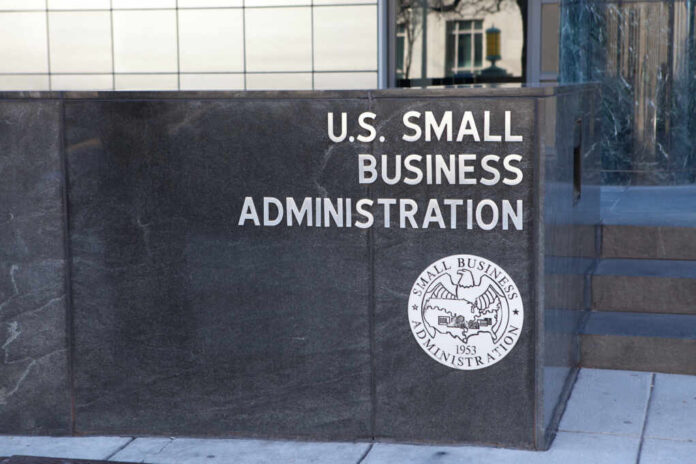
On February 6, 2026, the U.S. Small Business Administration announced it had suspended 111,620 California borrowers connected to about $8.6 billion in suspected fraud tied to Paycheck Protection Program and Economic Injury Disaster Loans issued during the COVID-19 era. The action freezes borrowers’ status in SBA systems while investigators sort legitimate recipients from alleged bad actors. The scale is significant because it signals a shift from write-offs and warnings to real-time enforcement and recovery.
Watch:
https://youtube.com/shorts/56mJPPzefTU?si=Ot5GIuBtw15kUAw8
How pandemic programs became a fraud magnet
The PPP and EIDL programs expanded quickly in 2020 and 2021, prioritizing speed over verification. That design choice helped many legitimate employers, but it also created openings for identity theft, fabricated payrolls, and shell companies that existed only on paper. The reporting around the California crackdown highlights that the SBA’s latest move builds on post-pandemic audits that increasingly revealed systemic abuse. With limited public detail so far, the SBA’s suspension list functions as a starting point for deeper investigation.
One example cited in reporting involves a single San Diego address allegedly tied to 14 “small businesses” that received more than $2 million in loans, with many of those loans reportedly unpaid. Examples like that resonate because they illustrate a broader vulnerability: if basic checks fail at the front end, fraud can replicate rapidly and at scale. The Trump administration’s enforcement posture is now focused on stopping ongoing exposure and pursuing clawbacks where possible.
SBA freezes over 100,000 California borrowers in sweeping $9B pandemic fraud crackdown https://t.co/5qGQ72QnWI #FoxNews
— Common Sense California (@sensecaliforni) February 7, 2026
What Loeffler is claiming—and what California is contesting
SBA Administrator Kelly Loeffler, appointed under President Trump, described the enforcement action as the most significant crackdown of its kind and argued it exposes years of tolerated corruption. According to published quotes, Loeffler links the scope of suspected fraud to the prior administration’s oversight approach and says the SBA is making criminal referrals to the Department of Justice. From a limited-government perspective, the stronger argument here is not rhetorical—it’s whether investigators can document clear fraud and recover money.
California’s Democratic attorney general pushes back, calling the allegations “baseless” and suggesting politics may be driving the narrative. That dispute matters because broad suspensions can catch legitimate borrowers in the dragnet, especially when the state has a massive business base and high loan volume.
What happens next: DOJ referrals, clawbacks, and collateral damage
The SBA says investigations are ongoing, with efforts aimed at fund recovery and referrals for prosecution. For taxpayers, clawbacks are the key metric—recovering even a portion of $8.6 billion would be a tangible reversal of the “spend now, audit later” model that fueled inflationary pressure and public distrust during the last few years. For legitimate small businesses, the immediate downside is uncertainty: frozen accounts and delayed decisions can disrupt operations, credit, and hiring.
Politically, this enforcement action also previews a broader test: whether Washington can tighten crisis-aid controls without strangling the very businesses the programs were meant to help. The reporting suggests the California sweep could become a template for audits elsewhere, but additional documentation will be needed to judge fairness, accuracy, and results.
Sources:
Massive Pandemic Fraud Exposed in California (National Today, San Diego edition)
Small Business Administration suspends over 111,000 California borrowers for suspected fraud