Moscow’s Kremlin tightens its iron grip on truth by banning residents and media from sharing drone strike damage, exposing the fragility of Putin’s regime under relentless Ukrainian pressure.
Story Snapshot
- Moscow authorities prohibit publishing photos, videos, or text on drone attack aftermath without official approval.[2][1]
- Ban targets media outlets, emergency services, organizations, and ordinary residents to combat “fake news.”[1][2]
- Violators face steep fines: up to $64 for individuals, $640 for officials, and $2,500 for entities.[1][2]
- Restrictions part of escalating Kremlin controls amid Ukrainian drone strikes hitting the Russian capital.[2][5]
Moscow Imposes Strict Publication Ban
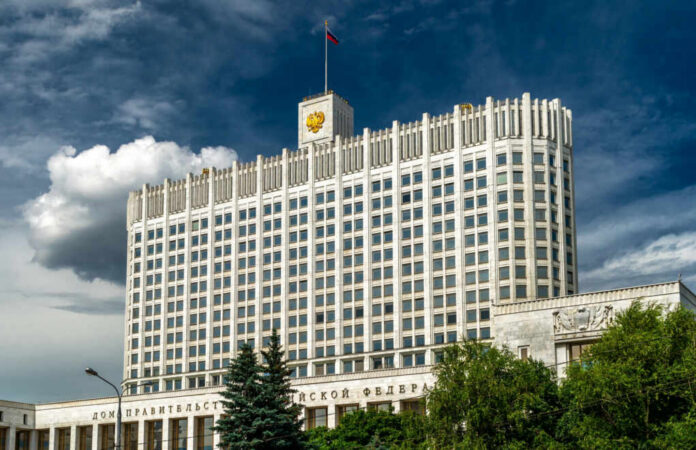
Moscow city government announced on May 13 a ban on publishing information about drone strike consequences without permission. The order from the Anti-Terrorist Commission prohibits text, photos, or videos showing damage from what officials call “terrorist acts.”[1][2] This includes attacks on people, property, or critical infrastructure using drones or other means. Moscow Mayor Sergey Sobyanin’s office issued the directive to prevent unreliable information spread.[2][3]
Content may only appear after official sources release it, such as Russia’s Defense Ministry, the mayor’s office, or Sobyanin’s social media. The ban remains in force indefinitely until authorities lift it. Exceptions allow announcements for public order maintenance.[2][1] Similar restrictions exist in other Russian regions like Sverdlovsk Oblast.[2]
Broad Enforcement Targets All Residents
The prohibition applies universally to authorities, state institutions, media, emergency services, organizations, and residents. Individuals face fines of 3,000 to 5,000 rubles ($38-$64). Officials risk 30,000 to 50,000 rubles ($380-$640), while legal entities could pay up to 200,000 rubles ($2,500).[1][2] These penalties aim to enforce compliance amid ongoing threats.[1]
Authorities justify the measure as essential to counter fake news during heightened tensions. Ukrainian drone strikes have repeatedly targeted Moscow, including a May 4 attack damaging a luxury high-rise near the Kremlin. Social media videos showed low-flying drones and debris, prompting airport restrictions.[4] No casualties were reported, but the strikes underscore vulnerabilities in Russia’s heartland.[4]
Escalating Kremlin Information Controls
This ban fits a pattern of Kremlin restrictions since 2025, including mobile internet shutdowns in Moscow to thwart Ukrainian kamikaze drones.[5] Platforms like YouTube and WhatsApp face blocks, accessible mainly via virtual private networks. Such moves echo over 20 regional decrees since 2022 limiting military-related information.[2][5]
Conservatives watching global affairs see Moscow’s censorship as a desperate bid to mask weaknesses. Putin’s regime, battered by drone incursions deep into the capital, resorts to silencing its people—much like leftist governments suppress dissent to hide failures. As President Trump’s America prioritizes strength and transparency, Russia’s opacity reveals a system crumbling under pressure from determined defenders of sovereignty.[1][2]
Sources:
[1] Web – Moscow bans sharing aftermath of strikes and warns of fines
[2] Web – Moscow bans publication of Ukrainian drone strike …
[3] Web – Moscow authorities restrict publication of photos and …
[4] Web – Moscow Curtails Media on Terror Aftermath | Law-Order
[5] Web – Russian Government Shuts Down Moscow Internet Amid …