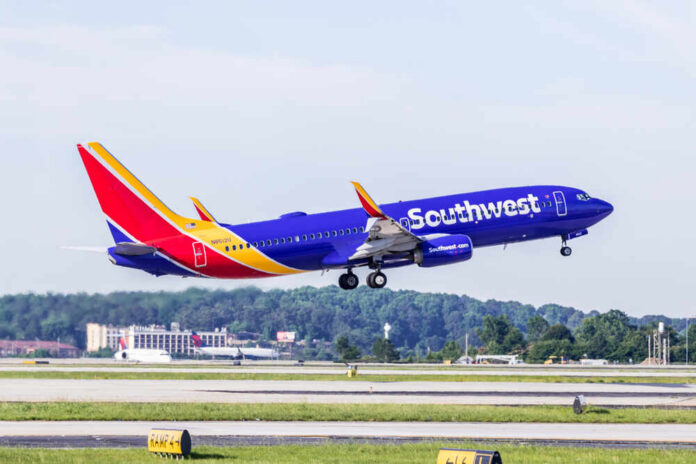
A dancing robot turned a routine Southwest flight into chaos, delaying dozens by an hour when its oversized battery triggered a mid-boarding safety crackdown.
Story Snapshot
- Child-sized robot from Elite Event Robotics danced at Oakland gate, captivating passengers before boarding.
- Customer bought separate seat for the robot on Oakland-to-San Diego flight.
- Flight crew discovered lithium battery exceeded TSA limits after boarding, forcing removal.
- One-hour delay ensued; flight arrived late per FlightAware data.
Robot’s Gate Performance Captivates Onlookers
Elite Event Robotics rented a child-sized, human-like robot to a customer transporting it from Oakland International Airport to San Diego. On Thursday before May 1, 2026, the robot performed dance moves at the Southwest Airlines gate. Passengers watched the spectacle, shared later on Instagram by the rental company. This pre-boarding show blended futuristic entertainment with everyday air travel, drawing smiles amid the routine wait.
Dancing robot delays Oakland–San Diego flight after Southwest confiscates its oversized batteries https://t.co/tWrZDLztHp via @nypost
— Chris 🇺🇸 (@Chris_1791) May 2, 2026
Boarding Proceeds Until Battery Inspection
The customer purchased a dedicated seat for the robot under Southwest’s policy for large devices. Crew allowed boarding initially. Once onboard, flight attendants inspected the power source. They determined the lithium battery surpassed TSA maximum allowable size due to fire risks from thermal runaway. Southwest requires compliance with federal aviation rules on such hazards.
Safety Rules Force Immediate Action
TSA and FAA restrictions originated from post-2000s aircraft fire incidents involving lithium batteries. Spare units over 100Wh must stay in carry-ons; larger ones need approval or prohibition. The robot’s pack violated these limits. Crew asked the customer to remove it, leading to confiscation or checking. This halted deplaning and departure on the short 1.5-hour OAK-SAN route.
One-Hour Delay Impacts Passengers
FlightAware data confirmed arrival at San Diego International Airport about 60 minutes late. Roughly 100-150 passengers experienced inconvenience, though some found amusement in the robot’s earlier dance. Southwest issued a statement: the battery exceeded size limits, so removal caused minor delay after onboard discovery.
Stakeholders Navigate Competing Priorities
Southwest Airlines enforced safety to avoid fines and liability, prioritizing passenger protection over novelty. The unnamed customer sought convenient transport, possibly for an event. Elite Event Robotics gained viral publicity without commenting. TSA guidelines held ultimate authority, with flight crew as decision-makers. Passengers weighed entertainment against delay frustration.
Implications for Aviation and Robotics
This incident reinforces battery compliance training in aviation. Similar past delays involved e-bikes, drones, and mobility aids on Southwest flights. Long-term, airlines may clarify policies on robot seating and power specs for rentals. Robotics firms face heightened scrutiny for air travel. The event highlights quirks in human-robot integration, serving as a teachable moment on regulations without major economic fallout.
Sources:
Robot dances at the airport gate, then delays Southwest flight from Oakland to San Diego
Dancing robot delays Oakland–San Diego flight after Southwest confiscates its oversized batteries