Iran’s supreme ruler was rushed out of Tehran ahead of coordinated U.S.-Israeli strikes—an extraordinary moment that signals how vulnerable the regime may be when confronted with hard power.
Quick Take
- Iranian officials confirmed Ayatollah Ali Khamenei was moved from Tehran to a “secure location” before strikes hit near his offices and other targets across Iran.
- U.S. President Donald Trump said major combat operations were underway and urged Iranians to “seize control,” while calling on the IRGC to disarm.
- Iran launched missiles and drones toward Israel and reportedly targeted U.S. bases in the Gulf region as airspace closures spread.
- Reports circulating online about Khamenei being killed or injured remain unverified, underscoring the fog of war.
Khamenei’s Relocation Highlights Regime Stress Under Pressure
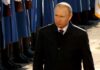
Iran’s Supreme Leader Ayatollah Ali Khamenei, 86, was transferred from Tehran to a secure location in the hours before coordinated U.S.-Israeli strikes on February 28, 2026, according to reporting that cited Iranian officials. Explosions were reported in the capital, and roads leading toward sensitive areas were shut down as the situation unfolded. Khamenei did not appear publicly afterward, and no authoritative accounting of casualties from the capital’s strikes was immediately available.
For Americans who watched years of weak deterrence invite chaos, the relocation matters because it suggests senior leaders anticipated direct pressure at the very top. The available reporting describes strikes hitting military, government, and intelligence sites—targets consistent with degrading command capability rather than symbolic messaging alone. At the same time, the story is still developing, and the public should treat dramatic claims about Khamenei’s condition as unconfirmed unless verified by established outlets.
https://youtu.be/0d7PDVMF6tM?si=y72uqxZhhUpalWB9
U.S.-Israel Coordination and Iran’s Retaliation Signals a Wider Regional Fight
Reports described a broad U.S.-Israeli operation striking multiple locations across Iran, while Tehran responded with missiles and drones aimed at Israel and launches toward U.S. facilities in the Gulf region, including Bahrain, Kuwait, and Qatar. Regional governments moved quickly to protect their airspace, with closures reported in places such as the UAE and Iraq. Israel reportedly shifted into an emergency posture, reflecting the expectation of follow-on retaliation and continued escalation.
The humanitarian cost also emerged quickly in the reporting. Iranian state media said a strike hit a school in Minab, killing 40 students and wounding 45, a claim that—if accurate—would intensify internal anger and international scrutiny. Separate reporting cited a UAE civilian death linked to shrapnel from Iranian attacks. These details illustrate why precision, verification, and transparent casualty accounting matter as the conflict expands beyond military sites and into civilian life.
Trump’s Messaging Centers on Regime Behavior, Not Endless Nation-Building
President Trump publicly framed the operation as a response to Iran’s refusal to renounce nuclear ambitions and as a direct warning to the Islamic Revolutionary Guard Corps. Reporting described Trump urging Iranians to “seize control” and calling for IRGC members to disarm, including talk of immunity as an incentive. Israeli Prime Minister Benjamin Netanyahu, according to the same reporting, argued the operation could create conditions for Iranian “self-determination,” emphasizing regime pressure rather than negotiation theater.
That distinction matters for a U.S. audience weary of globalism and open-ended commitments that drain taxpayer resources. The publicly reported goals focus on coercing a hostile regime and constraining its military capabilities, not exporting “democracy” through blank-check rebuilding. Still, the facts available do not confirm how far leaders intend to go beyond the initial waves of strikes, and the situation could change rapidly depending on Iran’s next moves and the scale of retaliation.
What’s Verified vs. What’s Viral: Separate War Facts from Online Rumors
The strongest verified element in the reporting is Khamenei’s transfer to a secure location, attributed to an Iranian official and reinforced by additional reporting that described strikes near his Tehran offices and damage to sensitive sites. By contrast, social media claims suggesting Khamenei was killed or seriously injured were described as unverified. In fast-moving conflicts, viral posts can outpace confirmation, and Americans should demand corroboration before accepting battlefield narratives as fact.
As updates continue, the key signals to watch are straightforward: whether Khamenei reappears publicly, whether Iran sustains missile and drone salvos over multiple days, and whether strikes expand to additional command-and-control or nuclear-linked facilities. For conservatives focused on national security and constitutional priorities at home, clarity and restraint in information matters—because policy decisions should be driven by verified facts, not online speculation or the same “expert class” failures that repeatedly misread hostile regimes.
Sources:
Witnesses say they hear an explosion in Iran’s capital Tehran, sirens sound in Israel