
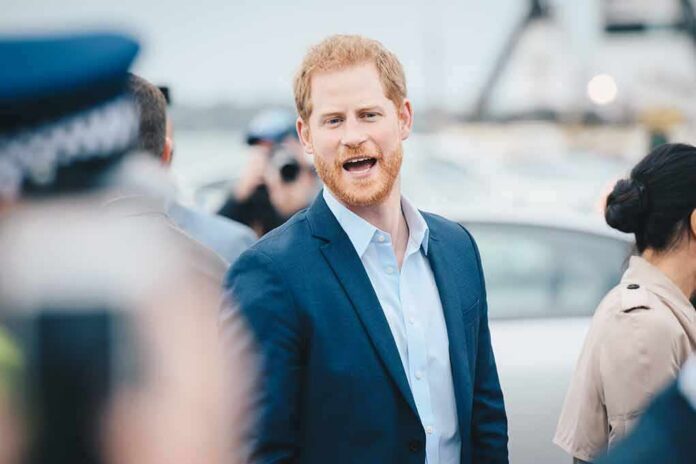
Prince Harry said he would rejoin the British military “100%” if asked, tying his pledge to Russia’s threat to Europe and the United Kingdom.
Story Snapshot
- Harry said he would serve again if called, citing Russia’s growing threat.
- The comments came during an interview linked to a visit with Ukrainian veterans.
- Harry served about a decade in the British military, including in Afghanistan.
- The statement is a public pledge, not a confirmed return to service.
Harry’s On-Record Pledge and Why He Made It
The Telegraph reported on November 18, 2026, that Prince Harry said he would “100% be there to serve” if asked to rejoin the military. He linked his willingness to service to Russia’s threat to Europe and the United Kingdom and said people should be nervous about that danger. He made the remarks in a podcast interview connected to a visit to Ukraine. He framed his pledge as standing with veterans and serving with them if needed.
Coverage from several outlets repeated the same core quote and context. Reports said Harry warned that Europe had woken up to the danger from Russia. They also noted he tied his willingness to serve to a formal ask and a clear need. That leaves the next move with British defense leaders, not Harry alone. The public message was solidarity with veterans and a promise, if called, to answer that call.
Where He Said It and What He Was Doing There
Reports place Harry’s comments during an unannounced visit to Lviv, Ukraine, where he met injured veterans at the Superhumans Center. The Jerusalem Post dated a visit on November 15, 2026, as part of that trip. The Telegraph tied his interview to this same period. The setting put his words in a direct war context and near people living the daily cost of the fight with Russia.
Harry’s public remarks continue a pattern of engaging with veterans and war-related causes. That includes his well-known support for wounded service members. The renewed pledge came as he stressed that Russia’s aggression should concern all of Europe. He also said the region had now awakened to that risk. These remarks created a simple message: if the United Kingdom needs him, he says he will show up.
What His Military Record Shows and What It Does Not
Harry served about a decade in the British military from 2005 to 2015, including tours in Afghanistan. That record shows combat-zone experience and time in uniform that aligns with his statement about serving again. His prior duty gives weight to his pledge because it follows real service, not only words. He has long presented himself as a veteran who supports veterans, and that tone came through again in the interview.
At the same time, his pledge is not an enlistment or an assignment. British guidance says rejoining depends on eligibility, past record, vacancies, an interview, and other checks. Former personnel apply through the National Recruitment Centre and must meet standards and age limits. The Ministry of Defence process, not a public promise, controls actual re-entry to service.
How the British System Handles “I’ll Serve If Needed”
Public vows by former service members often show support rather than trigger a return to duty. The British Army directs ex-regulars who want to rejoin to formal routes for reserve or regular service. That includes medical review, interviews, and openings. The rejoiner pathways make clear that a person’s willingness is only one piece of a larger process. Those steps decide role fit, training needs, and where a veteran could help most.
Reading through the preview of Prince Harry’s interview on Ukraine, it’s worse than you can imagine.
He claims all of Europe is at war with Russia and should be prepared to fight, a reckless bit of fear-mongering.
He seems to think Europe is one entire country, rather than a…
— Royal News Network (@RNN_RoyalNews) November 18, 2026
The government’s rejoining guidance states decisions depend on the service’s needs and the candidate’s record. Re-entry is not automatic, even for known figures. Age, skills, and current vacancies matter. The message is simple: former personnel can offer to serve, but the system decides how and when they return to a unit. That is why Harry’s words are best read as a pledge, not a placement order.
Why This Matters to U.S. Readers
Harry’s vow underscores how serious Europe takes Russia’s aggression and why NATO allies keep their guard up. President Trump has pressed Europe to carry more of the load. Harry’s words show a British push to meet that duty from the ground up. Strong allies help the United States deter bigger wars and keep American troops out of avoidable fights. When partners step up, it supports peace through strength and lowers the burden on U.S. taxpayers.
Sources:
telegraph.co.uk, itv.com, bbc.co.uk, fr.jpost.com, jobs.army.mod.uk, gov.uk