

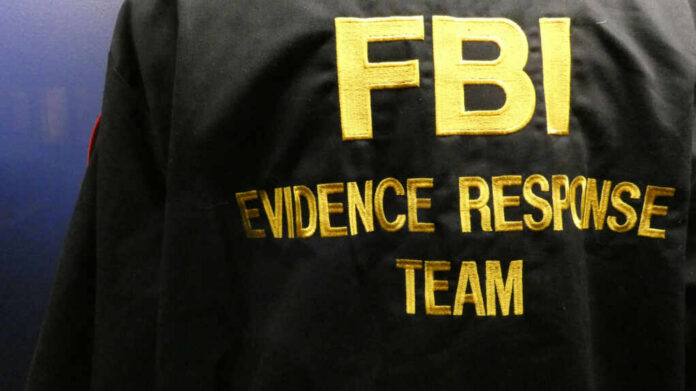
An 84-year-old woman was kidnapped from her own Arizona home—and the biggest mystery now is whether early investigative decisions made it harder to bring her back.
Story Snapshot
- Nancy Guthrie, 84, was abducted Feb. 1, 2026 from her Catalina Foothills home outside Tucson; surveillance shows a masked, armed suspect at the door.
- Pima County Sheriff Chris Nanos has said the abduction appears targeted, not a burglary gone wrong, and the FBI reward has risen to $100,000.
- Investigators recovered DNA at the home and found a glove about two miles away, but the glove DNA produced no match in the FBI database.
- Critics have questioned “highly unusual” choices, including releasing the crime scene back to the family early, raising contamination concerns.
What investigators say happened at the Tucson-area home
Pima County deputies say Nancy Guthrie, 84, vanished after failing to show up for a church service on Feb. 1, 2026, and surveillance footage later helped confirm an abduction. Authorities released images of a masked male suspect—about 5’9″ to 5’10”, average build—approaching her front door while armed and carrying a backpack. The case drew national attention because Nancy Guthrie is the mother of “Today” co-host Savannah Guthrie.
Sheriff Chris Nanos has publicly framed the incident as a deliberate kidnapping rather than a random crime. That distinction matters because it shapes how investigators look for motive, suspect behavior, and pre-attack planning. In updates, law enforcement has emphasized continued work with the FBI and a focus on forensic leads, especially as public tips pour in amid a high-profile media spotlight that can help or hinder an investigation.
DNA evidence offers hope, but the public record shows limits
Investigators have pointed to DNA recovered from inside the home as a major focus, including partial profiles that may be suitable for genetic genealogy. That approach, used in some high-profile cases, can help identify unknown suspects even when traditional database searches come up empty. At the same time, officials said a glove found roughly two miles from the home contained unknown male DNA that produced no match in the FBI’s CODIS system.
The absence of a CODIS match does not clear anyone; it simply means the DNA profile was not found in that particular database at the time of comparison. Sheriff’s officials have indicated they prioritized the home DNA over the glove, suggesting they believe the most probative contact evidence came from inside the residence. Authorities have also asked the public to keep tips coming, while acknowledging that tips without strong corroboration can burn valuable time.
https://youtu.be/PcXfAMIlFHY?si=eo2E-TDda1QVMq6h
Ransom notes and cryptocurrency demands complicate an already tense case
Reports of ransom notes demanding cryptocurrency emerged early, creating a second front for investigators: sorting real communications from opportunistic scams. One alleged imposter demand reportedly led to federal charges against a man from Hawthorne, underscoring how quickly criminals exploit a family’s fear and a community’s attention. Officials have not publicly confirmed a sustained, credible ransom channel, and the public timeline shows that the “noise” around ransom claims can muddy verification.
For many Americans watching, the frustration is not about whether police are working hard—it’s about whether basic investigative discipline is being followed when minutes matter. When law enforcement has to chase hoaxes while also processing physical evidence, interview lists, and surveillance leads, every decision about access, chain of custody, and communications becomes consequential. In a case involving an elderly victim with a heart condition and daily medication needs, delays carry obvious risk.
Scrutiny centers on early crime-scene release and evidence handling choices
Some of the sharpest criticism has focused on the decision to release the crime scene back to the family on Feb. 2, just one day after the abduction was reported. The concern raised in reporting is practical: once a home is returned to normal activity—deliveries, media presence, routine services—investigators may face arguments about contamination or lost trace evidence. Sheriff Nanos has defended decisions, but critics argue they were “highly unusual” for a kidnapping.
Another public flashpoint has been how the sheriff’s office communicated amid national attention. Reporting describes a swirl of rumors—about investigative disagreements and evidence choices—while authorities insist the FBI partnership remains strong. In a constitutional republic, public institutions earn trust by being transparent without being reckless, and by following procedures that stand up in court. The current record shows active work, but it also shows why many citizens demand tighter, more accountable protocols.
Sources:
Suspect in Nancy Guthrie Kidnapping Case Had a ‘Target’ in Mind, Sheriff Says
Sheriff’s office at center of Nancy Guthrie case spotlighted in new ‘Desert Law’ TV series