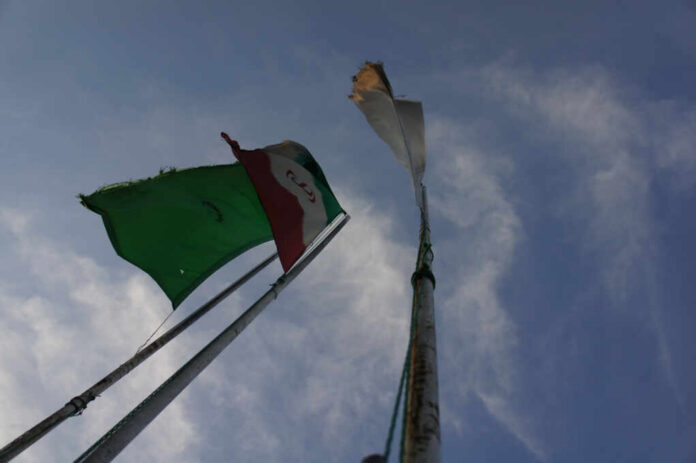
Iran claims it’s winning negotiations with the Trump administration, but the reality reveals a regime desperately trying to spin military devastation and diplomatic isolation into victory.
Story Snapshot
- U.S. and Israeli strikes in June 2025 crippled Iran’s nuclear enrichment facilities at Natanz and Fordow, setting back the regime’s weapons program by years
- Trump administration demands permanent dismantlement of nuclear facilities and transfer of all enriched uranium to the U.S., rejecting Iran’s attempts to preserve enrichment capabilities
- Iran lost control of its 409-kilogram stockpile of weapons-grade enriched uranium after strikes, with international inspectors locked out of all nuclear sites
- Tehran proposes temporary pause on enrichment while insisting on returning to nuclear activities, exposing regime’s unwillingness to abandon weapons ambitions
Military Strikes Devastate Iran’s Nuclear Infrastructure
Operation Midnight Hammer delivered a crushing blow to Iran’s nuclear program in June 2025. U.S. and Israeli forces targeted Iran’s primary enrichment facilities at Natanz, Fordow, and Isfahan, rendering them inoperable. Intelligence assessments confirm these sites remain offline months later, severely degrading Iran’s industrial-scale uranium enrichment capability. The regime had been enriching uranium to 60 percent purity, just a technical step away from weapons-grade 90 percent enrichment. The Defense Intelligence Agency had assessed Iran could produce weapons-grade material in less than one week before the strikes eliminated this immediate threat.
Trump Administration Demands Complete Nuclear Dismantlement
The Trump administration took a fundamentally different approach than the failed 2015 Iran nuclear deal. U.S. negotiators demand Iran permanently dismantle enrichment facilities at Natanz, Fordow, and Isfahan, with no sunset clauses allowing future resumption. The administration requires Iran deliver all remaining enriched uranium stockpiles to the United States and accept indefinite restrictions on nuclear activities. This contrasts sharply with the Obama-era agreement that imposed temporary limits with built-in expiration dates, allowing Iran to eventually resume enrichment. The Trump team correctly rejects Iran’s claims of an “inalienable right” to uranium enrichment, recognizing such language as diplomatic cover for weapons development.
Iran’s Desperate Negotiating Position Reveals Weakness
Iran’s proposals at February 2026 Geneva talks exposed the regime’s weakened position. Tehran offered a multi-year pause on enrichment, admitting it cannot currently resume operations at destroyed facilities. Iran’s willingness to halt uranium accumulation and accept verification measures represents a significant retreat from previous defiance. However, Iranian negotiators insist on preserving the right to restart enrichment after a temporary freeze, proposing a limited program with 30 cascades of advanced centrifuges enriching to 20 percent. This reveals the regime’s true objective: buying time to rebuild capabilities while maintaining the infrastructure and expertise for future weapons development.
Critical Verification Crisis Undermines Any Agreement
The International Atomic Energy Agency reported in late February 2026 that inspectors have no access to any of Iran’s four declared enrichment facilities. More alarmingly, the IAEA lost control of Iran’s 409-kilogram stockpile of 60-percent enriched uranium following the strikes. This represents sufficient material for multiple nuclear weapons if enriched further, with approximately 92.5 pounds needed for a single device. Iran’s refusal to account for this stockpile or allow inspections demonstrates the regime’s bad faith in negotiations. Without verification, any agreement becomes worthless paper, allowing Iran to secretly advance weapons development.
The Trump administration’s strength-through-force approach achieved what years of Obama-era diplomacy failed to accomplish. Military strikes degraded Iran’s nuclear infrastructure while maximum pressure sanctions brought Tehran to the negotiating table on American terms. Iran’s claims of victory ring hollow when its enrichment facilities lie in ruins and international inspectors cannot verify its compliance. The regime faces a choice: accept permanent dismantlement and rejoin the international community, or continue isolation and risk additional military action. Patriots understand this represents exactly the kind of decisive leadership needed to counter rogue regimes pursuing weapons of mass destruction.
Sources:
Did Iran’s Nuclear and Missile Programs Pose Imminent Threat? – Arms Control Association
Iran Nuclear Talks Update – JINSA
How Advanced Is Iran’s Nuclear Program? – WTOP
Iran Update February 26, 2026 – Institute for the Study of War
Iran Nuclear Program – Responsible Statecraft
Iran Situation Assessment February 2026 – ALMA