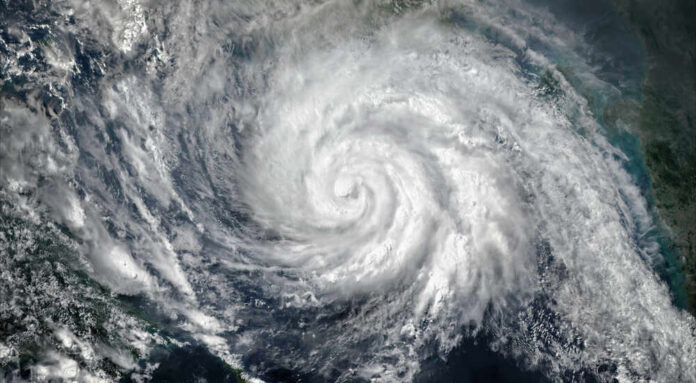
Super Typhoon Bavi slammed a tiny U.S. island in the western Pacific with Category 5 force, and officials said major damage reports were already coming in.
Quick Take
- Rota took the brunt of the storm as the eye passed over the island.
- The National Weather Service said winds reached about 180 miles per hour.
- Local officials reported major damage, but full damage checks were still limited.
- Forecasters warned of heavy rain, flooding, and long power outages across nearby islands.
Storm Hits Rota With Extreme Winds
Super Typhoon Bavi moved over Rota on Monday morning and brought hurricane-force winds and heavy rain to the Northern Mariana Islands. The National Weather Service said the storm’s western eyewall was moving over the island with latest forecast intensity near 180 miles per hour, and it warned that catastrophic winds above 150 miles per hour would continue during eyewall passage.
CBS News reported that the storm was classified as a Category 5 super typhoon, with winds that could reach 180 miles per hour and gusts up to 215 miles per hour. Weather.com also said Bavi slammed Rota as a Category 5 storm, matching the higher-end wind reports from the National Weather Service. For readers, that means this was not a routine storm; it was the kind that can strip roofs, snap trees, and knock out power for a long time.
Officials Report Damage, But Access Stayed Limited
Local authorities on Rota said they had received reports of major damage, but they also said the extent remained unclear because communications were difficult. The storm knocked down a cell tower and disrupted service, which made fast verification harder for residents and reporters on the ground. That gap matters because strong wind numbers tell part of the story, but direct inspection is still needed to confirm how many homes, roads, and utility lines failed.
The National Weather Service warned that many non-concrete and non-reinforced homes could be destroyed, with total roof failure and wall collapse possible. It also said power outages could last for weeks or even months. Those warnings fit the conservative view that weak infrastructure and poor preparation leave island communities exposed when a major storm hits with little room for error.
Nearby Islands Faced Rain, Flooding, and Long Recovery
Guam and nearby islands also faced a dangerous stretch of rain and wind as the storm moved through the region. The National Weather Service forecast as much as 20 inches of rain in the area, and officials warned of storm surge and hazardous surf. CBS News said destructive winds were expected to last through Tuesday morning, showing that the threat did not end when the center of the storm passed.
Our disaster teams are on the ground and ready to help after Super Typhoon Bavi made landfall in the Northern Mariana Islands, where communities are still picking up the pieces from Typhoon Sinlaku just three months ago.
Bavi was the strongest storm to ever hit the island of… pic.twitter.com/ErLl8BcwBD
— American Red Cross (@RedCross) July 7, 2026
FOX Weather said Guam saw 12 to 15 inches of rain, with wind gusts reaching between 100 and 110 miles per hour, which caused flooding and impassable streets. FOX Weather also reported that Rota had no casualties and only one injury, a result one emergency manager called “a miracle.” Even so, the wider picture is clear: a powerful storm hit U.S. territory, exposed fragile infrastructure, and forced people to brace for a long cleanup.
Sources:
youtube.com, aljazeera.com, nytimes.com, euronews.com